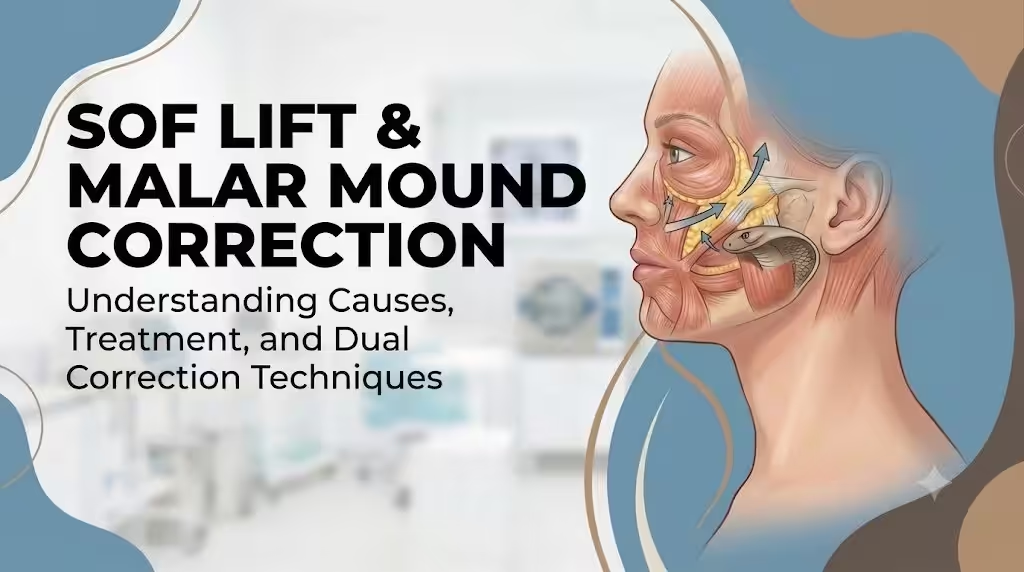
The SOF Lift (Sub-Orbicularis Oculi Fat Lift) is a specialized surgical procedure designed to correct malar mounds and festoons by repositioning underlying fat and tightening muscle. Malar Mound Correction addresses the persistent puffiness and sagging in the midface area, offering a more refreshed and natural appearance.
In 2026, the demand for sophisticated midface rejuvenation techniques continues to grow, driven by a desire for natural-looking results that address specific anatomical concerns. Malar mounds, often mistaken for typical under-eye bags, present a unique challenge, requiring a highly specialized approach. The SOF Lift has emerged as a refined solution, offering targeted correction for these complex features. Achieving optimal outcomes necessitates an expert consultation to develop a personalized treatment plan tailored to your unique facial anatomy and aesthetic goals for 2026.
Understanding Malar Mounds (Festoons) and Their Impact
Malar mounds, also known as festoons, are distinct from traditional under-eye bags and infraorbital bags. They manifest as crescent-shaped or semicircular rolls of puffy tissue that appear on the upper cheek, just below the lower eyelid. These features can significantly age the face, creating a tired or sad appearance that often frustrates patients. Unlike simple under-eye bags, malar mounds are more complex, involving skin laxity, muscle weakness, and fluid retention in the sub-orbicularis oculi fat (SOOF) pad, rather than just herniated orbital fat.
The presence of prominent malar mounds can deeply impact an individual’s self-confidence and social interactions. Many patients report feeling self-conscious about their appearance, often being asked if they are tired or unwell, even when they are not. This psychological burden underscores the importance of effective and targeted treatment options, moving beyond generic solutions that fail to address the underlying anatomical complexities.
What Exactly is a Malar Mound (Festoon)?
A malar mound, or festoon, is a distinct swelling or bulge that forms on the cheek, typically below the lower eyelid margin, characterized by lax skin, weakened orbicularis oculi muscle, and fluid accumulation within the sub-orbicularis oculi fat (SOOF) pad.
These features are not merely “fat bags” but involve a combination of underlying structures. The orbicularis oculi muscle, which encircles the eye, can weaken and stretch over time. Beneath this muscle lies the sub-orbicularis oculi fat (SOOF), a fat pad that can descend and accumulate fluid. Additionally, the retaining ligaments that hold these tissues in place can loosen, contributing to the prominent bulge. This intricate anatomical interplay explains why simple fat removal or skin tightening alone is often insufficient for effective malar mound correction.
Causes and Contributing Factors to Malar Mound Formation
Malar mounds develop due to a confluence of factors, making them a challenging aesthetic concern. Understanding these causes is crucial for effective treatment:
- Genetic Predisposition: Some individuals are genetically predisposed to developing malar mounds, with a family history often indicating a higher likelihood.
- Aging Process: As we age, the skin loses elasticity, and the underlying muscles, particularly the orbicularis oculi, weaken. The retaining ligaments also become lax, allowing the sub-orbicularis oculi fat pad to descend and become more prominent.
- Sun Damage: Chronic exposure to ultraviolet (UV) radiation accelerates skin aging, leading to collagen and elastin breakdown, which exacerbates skin laxity and contributes to festoon formation.
- Chronic Fluid Retention: Conditions that cause persistent fluid retention, such as allergies, thyroid issues, or certain kidney conditions, can worsen the appearance of malar mounds.
- Allergies and Inflammation: Chronic allergic reactions or inflammatory conditions around the eyes can lead to persistent swelling and fluid accumulation in the midface tissues.
- Lymphatic Drainage Issues: Impaired lymphatic drainage in the midface area can result in fluid buildup, contributing to the puffiness characteristic of malar mounds.
- Certain Lifestyle Factors: High sodium intake, excessive alcohol consumption, and lack of sleep can contribute to fluid retention and worsen the appearance of malar mounds. Smoking also impairs skin health and accelerates aging, making festoons more pronounced.
These factors often interact, meaning that an individual’s unique anatomical variations, combined with environmental influences, can significantly exacerbate the appearance of malar mounds, moving beyond a simplistic explanation of mere aging.
The SOF Lift (Sub-Orbicularis Oculi Fat Lift): An Advanced Solution
The SOF Lift, or Sub-Orbicularis Oculi Fat Lift, is an advanced surgical technique specifically designed to address the complex anatomy of malar mounds and festoons. This specialized procedure aims to rejuvenate the midface by repositioning the descended sub-orbicularis oculi fat (SOOF), tightening the orbicularis oculi muscle, and improving the overall contour of the midface region.
Unlike traditional blepharoplasty, which primarily focuses on excess skin and fat in the lower eyelid, the SOF Lift targets the deeper structures responsible for malar mounds. Its unique anatomical approach allows for a more comprehensive and effective correction of these challenging features, making it a highly specialized solution for patients who have not found success with more conventional treatments.
SOF Lift Explained: Procedure, Goals, and Anatomical Focus
The SOF Lift is a meticulously performed surgical procedure with precise goals aimed at restoring a youthful midface contour:
- Incision Placement: The procedure typically begins with a discreet incision, often placed either transconjunctivally (inside the lower eyelid) to avoid external scarring, or subciliary (just below the lash line) for cases requiring skin redraping.
- Careful Dissection: The surgeon carefully dissects through the skin and muscle layers to gain access to the sub-orbicularis oculi fat (SOOF) pad, which is the primary target of the lift.
- Fat Repositioning/Redraping: Instead of excising fat, the SOOF pad is meticulously lifted and repositioned to its original, more youthful anatomical position. This redraping helps to fill the hollows that can contribute to a tired look and smooth out the transition between the lower eyelid and the cheek.
- Orbicularis Oculi Muscle Tightening: The orbicularis oculi muscle, which may have become lax, is carefully tightened and suspended. This step helps to reduce the muscle’s contribution to the festooning and provides structural support to the lifted tissues.
- Skin Redraping (if necessary): In cases where significant skin laxity is present, excess skin may be delicately trimmed and redraped to achieve a smooth, natural finish without tension.
The surgeon’s precision throughout the SOF Lift is paramount, ensuring the preservation of vital structures while achieving a natural, unoperated look. By addressing the root cause of malar mounds—the descent and laxity of the SOOF and orbicularis muscle—the SOF Lift offers a long-lasting solution that goes beyond simply excising tissue, creating a harmonious and refreshed midface aesthetic.
Ideal Candidates for SOF Lift
The SOF Lift is a highly specific procedure, and identifying ideal candidates is crucial for achieving successful and satisfying results. In 2026, the best candidates typically exhibit the following characteristics:
- Prominent Malar Mounds or Festoons: Patients whose primary concern is the presence of distinct, persistent malar mounds or festoons on the upper cheek, rather than just under-eye bags.
- Good Skin Elasticity: While some skin laxity can be addressed, candidates with reasonably good skin elasticity tend to achieve the most refined results.
- Realistic Expectations: Individuals who understand the capabilities and limitations of the procedure and have realistic expectations about the outcomes.
- Overall Good Health: Patients should be in good general health, without underlying medical conditions that could complicate surgery or recovery.
- Specific Anatomical Indicators: Those with a descended sub-orbicularis oculi fat (SOOF) pad and laxity of the orbicularis oculi muscle are particularly well-suited for this technique.
It is important to differentiate between candidates who primarily need a SOF Lift versus those who might benefit more from a traditional lower blepharoplasty (if the main issue is herniated orbital fat) or a broader midface lift (if significant sagging of the entire cheek is present). The SOF Lift is most effective when malar mounds are the predominant concern, offering a targeted solution that addresses the specific anatomical root of the problem.
Festoons vs. Malar Bags vs. Eye Bags
The landscape of periorbital and midface aesthetics is often fraught with confusion, particularly when patients attempt to self-diagnose various forms of puffiness or swelling around the eyes and upper cheeks. While superficially similar, ‘festoons,’ ‘malar bags,’ and ‘eye bags’ represent distinct anatomical phenomena with different underlying etiologies, prognoses, and treatment pathways. A clear understanding of these distinctions is paramount for both patient education and effective clinical management in 2026, ensuring targeted and successful outcomes.
Festoons (Malar Festoons / Malar Mounds)
Festoons, also known as malar festoons or malar mounds, are perhaps the most challenging and often misunderstood of these conditions. They manifest as distinct, often crescent-shaped or semicircular bands of swollen tissue located on the upper part of the cheek, just below the lower eyelid margin. Unlike typical eye bags, festoons are situated lower on the midface, often creating a visible demarcation line or ‘shelf’ that can extend across the cheekbone. Their appearance can be dynamic, sometimes becoming more pronounced with facial expressions like smiling or squinting, or worsening with fluid retention.
Their etiology is complex and multifactorial, typically involving a combination of chronic sun damage, lymphatic drainage impairment, muscle laxity (specifically the orbicularis oculi muscle), fluid retention, and genetic predisposition. Unlike eye bags, festoons are not primarily caused by herniated orbital fat. Instead, they are thought to involve hypertrophy and laxity of the orbicularis muscle and overlying skin, compounded by chronic edema within the dermal and subcutaneous layers. Factors such as aging, smoking, allergies, and even certain medical conditions can exacerbate their appearance. The lymphatic system plays a crucial role; when its delicate drainage pathways are compromised, fluid accumulates, leading to the characteristic swelling that can be persistent and resistant to many conventional treatments.
Treating festoons is notoriously difficult and requires a highly specialized approach. Traditional blepharoplasty often proves ineffective as it does not address the underlying pathology. Current strategies in 2026 may include a combination of direct surgical excision for severe, recalcitrant cases, CO2 laser resurfacing to tighten skin and stimulate collagen, radiofrequency treatments, and sometimes, carefully placed dermal fillers around the festoon to camouflage its prominence rather than injecting into it. Addressing contributing factors like rigorous sun protection, allergy management, and smoking cessation is also vital, though these rarely resolve established festoons entirely, serving more as preventative or adjunctive measures.
Malar Bags (Malar Edema)
Malar bags, often referred to as malar edema, represent a more diffuse and generally softer form of swelling on the upper cheek, similar in location to festoons but typically less defined and less structurally pronounced. They appear as a generalized puffiness or fullness that can fluctuate throughout the day or with lifestyle factors. Unlike the distinct ridge of a festoon, malar bags tend to blend more subtly into the surrounding cheek tissue, lacking the sharp demarcation and often appearing softer to the touch. They may be more noticeable in the mornings or after periods of sleep.
The primary cause of malar bags is often chronic fluid retention and lymphatic congestion in the malar region. This can be triggered or exacerbated by a variety of factors including allergies, sinus issues, high sodium intake, sleep deprivation, hormonal fluctuations, and even mild dehydration. While aging can contribute to skin laxity that makes fluid accumulation more noticeable, malar bags are less about structural muscle or fat displacement and more about interstitial fluid dynamics. They are often more transient and responsive to conservative measures compared to festoons, indicating a less entrenched, structural issue.
Management of malar bags typically begins with conservative approaches. This includes identifying and addressing underlying causes such as allergies or sinus problems, reducing sodium intake, ensuring adequate hydration, improving sleep hygiene, and incorporating lymphatic drainage massage techniques. In some cases, topical creams containing caffeine or retinoids, oral diuretics (under strict medical supervision), or non-ablative laser/radiofrequency treatments might be considered to improve skin tone and lymphatic flow. Dermal fillers are generally avoided directly within malar bags, as they can sometimes worsen fluid retention; however, strategic placement in adjacent areas might be used for contouring and camouflage.
Eye Bags (Periorbital Bags / Lower Eyelid Bags)
Eye bags, also known as periorbital bags or lower eyelid bags, are the most commonly recognized form of under-eye puffiness. They are characterized by a distinct bulging or protrusion directly beneath the lower eyelashes, confined to the lower eyelid itself. This creates a shadowed, tired, or aged appearance, often extending into the tear trough area. They are typically consistent in their appearance, not fluctuating as dramatically with lifestyle factors as malar edema, although fluid retention can certainly exacerbate their prominence.
The primary cause of eye bags is the herniation of orbital fat through a weakened orbital septum. The orbital septum is a thin membrane that normally holds the fat pads around the eye in place. With age, genetics, and factors like chronic inflammation or sun exposure, this septum can weaken, allowing the fat to bulge forward. This is often compounded by skin laxity, loss of collagen and elastin, and sometimes fluid retention. Unlike festoons or malar bags, the core issue here is the displacement of fat from its normal anatomical position, not primarily muscle hypertrophy or diffuse fluid accumulation in the midface.
Treatment for eye bags is well-established and highly effective. The gold standard remains lower blepharoplasty, a surgical procedure that can be performed via a transconjunctival approach (incision inside the eyelid, leaving no external scar) to remove or reposition herniated fat, or a transcutaneous approach (incision just below the lash line) which also allows for simultaneous skin and muscle tightening. For milder cases or to camouflage the tear trough deformity often associated with eye bags, hyaluronic acid dermal fillers can be strategically injected into the tear trough below the bag to create a smoother transition and restore a more youthful contour. Laser resurfacing can also address skin laxity and texture improvements in the lower eyelid area, often used in conjunction with other treatments.
In summary, while all three conditions manifest as unwanted fullness around the eyes and upper cheeks, their fundamental nature, anatomical location, and underlying causes are distinct. Eye bags are primarily a result of herniated orbital fat within the lower eyelid. Malar bags signify diffuse fluid retention and lymphatic congestion on the upper cheek, often fluctuating. Festoons represent a more severe and structurally complex condition involving muscle laxity, skin damage, and chronic edema, situated lower on the cheek than eye bags, and often more resistant to treatment. A precise diagnosis by an experienced aesthetic practitioner in 2026 is crucial to determine the most appropriate and effective treatment strategy, moving beyond generic ‘under-eye puffiness’ to targeted, individualized solutions.
Alternative and Complementary Treatments for Malar Mounds
While the SOF Lift offers a specialized solution for malar mounds, a range of alternative and complementary treatments exists. Understanding these options, their limitations, and appropriate applications is essential for patients considering midface rejuvenation.
It’s crucial to note that some treatments, particularly certain types of dermal fillers, can inadvertently worsen the appearance of malar mounds if not administered by an expert with a deep understanding of midface anatomy. Incorrect placement or excessive volume can exacerbate fluid retention and prominence, serving as a critical warning for patients to seek highly qualified practitioners.
Non-Surgical Approaches: Fillers, Lasers, and Skincare
Non-surgical options can offer temporary improvement or serve as complementary treatments for malar mounds, especially for less severe cases:
- Dermal Fillers: Hyaluronic acid fillers can sometimes be used to camouflage malar mounds by strategically adding volume to the surrounding areas (e.g., the tear trough or cheekbones) to create a smoother transition. However, this requires extreme precision; fillers placed directly into a malar mound can worsen fluid retention and make the mound more prominent. Expert practitioners may use specific, lower-hydrophilic filler types and micro-droplet techniques to minimize this risk.
- Laser Resurfacing: Fractional laser treatments (e.g., CO2 or erbium lasers) can improve skin texture and tighten mild skin laxity, which may offer some reduction in the appearance of malar mounds. These treatments stimulate collagen production, leading to a firmer skin surface.
- Chemical Peels: Medium-depth chemical peels can also help to improve skin quality and address superficial skin laxity, contributing to a minor improvement in malar mound appearance.
- Topical Skincare: A consistent skincare regimen incorporating retinoids, peptides, and antioxidants can improve overall skin health and elasticity. While not a direct treatment for malar mounds, it can support skin quality and potentially slow down the progression of laxity.
It is important to emphasize that non-surgical options are generally temporary and may not fully resolve significant or structurally complex malar mounds. They are often best utilized as initial approaches for mild cases, or as complementary treatments to surgical interventions to optimize skin quality.
Other Surgical Interventions: Blepharoplasty, Midface Lifts
For more significant midface aging concerns, other surgical procedures may be considered, sometimes in conjunction with or as an alternative to the SOF Lift:
- Traditional Lower Blepharoplasty: This procedure primarily addresses under-eye bags caused by herniated orbital fat and excess lower eyelid skin. While it can improve the appearance of the lower eyelid, it often does not directly target or effectively correct malar mounds, which involve different anatomical structures.
- Midface Lift: A midface lift is a more extensive procedure that elevates the deeper tissues of the cheek, including the malar fat pad, to address sagging in the midface and improve nasolabial folds. While it can have a positive impact on malar mounds by lifting the entire cheek complex, it is a broader surgery than the targeted SOF Lift.
A comprehensive facial assessment in 2026 is critical to determine the most appropriate surgical strategy. This evaluation will clarify whether a standalone SOF Lift, a combined procedure (e.g., SOF Lift with a traditional lower blepharoplasty for orbital fat), or a different surgical approach entirely (like a full midface lift) is best suited for the patient’s unique anatomy, the severity of their concerns, and their specific aesthetic goals.
The Consultation Process: Finding the Right Expert in 2026
Embarking on a journey to correct malar mounds requires careful consideration, and the most critical step is selecting a highly qualified and experienced surgeon. In 2026, it is paramount to choose a board-certified plastic surgeon with extensive expertise specifically in midface and periorbital surgery. Researching their credentials, reading patient reviews, and thoroughly reviewing their before-and-after galleries are essential steps to ensure you are entrusting your care to a skilled professional.
When evaluating potential surgeons, be wary of red flags such as practitioners who promise unrealistic results or lack specific, demonstrable experience with complex cases like malar mound correction. A truly expert surgeon will possess not only technical proficiency but also an artistic eye and a deep understanding of facial harmony, ensuring results that enhance your natural beauty rather than creating an artificial appearance. The right expert will prioritize your safety and deliver outcomes that align with your aesthetic vision.
Key Questions to Ask Your Surgeon
During your consultation, it’s vital to be prepared with a list of questions to ensure you have all the necessary information to make an informed decision:
- What is your specific experience with SOF Lift and malar mound correction procedures? How many have you performed?
- What is your preferred surgical technique for my specific case, and why?
- What are the potential risks and complications associated with this procedure, and how do you mitigate them?
- Can you provide a detailed recovery timeline, including what I should expect in terms of swelling, bruising, and discomfort?
- What are the expected results, and how long do they typically last? Can I see before-and-after photos of your previous SOF Lift patients?
- What is the total cost breakdown for the procedure, including surgeon’s fees, anesthesia, and facility charges?
- What is your philosophy on facial aesthetics, and how do you ensure natural-looking results?
- What kind of long-term follow-up care do you provide?
Asking these questions will help you gauge the surgeon’s expertise, understand their approach, and ensure alignment with your aesthetic goals.
What to Expect During Your Initial Consultation
Your initial consultation is a critical opportunity for both you and your surgeon to assess your needs and develop a tailored treatment plan:
- Comprehensive Facial Examination: The surgeon will perform a thorough examination of your face, paying close attention to your midface, lower eyelids, skin quality, and the underlying anatomical structures contributing to your malar mounds.
- Discussion of Medical History: You will be asked about your medical history, including any previous surgeries, current medications, allergies, and lifestyle habits (e.g., smoking, alcohol consumption).
- Assessment of Skin Quality and Underlying Structures: The surgeon will evaluate your skin elasticity, muscle tone, and the extent of fat descent and fluid retention to determine the most appropriate surgical approach.
- Detailed Explanation of Proposed Treatment Plan: Based on the assessment, the surgeon will explain the recommended treatment plan, which may include a SOF Lift, a combined procedure, or alternative options, detailing the surgical steps involved.
- Review of Before-and-After Photos: You will be shown before-and-after photos of previous patients, providing a realistic visual of potential outcomes.
- Discussion of Realistic Outcomes: The surgeon will discuss what you can realistically expect from the procedure, including potential improvements and any limitations, ensuring your expectations are aligned with achievable results.
Open and honest communication is paramount during this consultation. It is your opportunity to clearly articulate your aesthetic goals and concerns, ensuring the surgeon fully understands your vision for a rejuvenated midface.
Preparing for Your SOF Lift / Malar Mound Correction Procedure
Proper preparation is key to a smooth surgical experience and optimal recovery. Your surgeon will provide specific pre-operative instructions, but general guidelines typically include:
- Medication Review: Avoid blood-thinning medications, such as aspirin, ibuprofen, and certain supplements (e.g., Vitamin E, fish oil), for at least two weeks prior to surgery, as instructed by your surgeon, to minimize bruising and bleeding.
- Smoking Cessation: If you smoke, you will be advised to stop several weeks before surgery. Smoking significantly impairs healing and increases the risk of complications.
- Arrange for Post-Operative Care: Ensure you have someone to drive you home after the procedure and assist you during the first 24-48 hours of recovery.
- Dietary Guidelines: Follow any specific dietary instructions provided by your surgeon, which may include fasting before anesthesia.
- Medical Clearances: Obtain any necessary medical clearances from your primary care physician or specialists, especially if you have pre-existing health conditions.
- Hydration: Maintain good hydration in the days leading up to surgery.
- Comfortable Clothing: Plan to wear loose, comfortable clothing on the day of surgery.
Understanding the rationale behind each pre-operative instruction, such as how smoking impacts wound healing or why certain medications must be avoided, empowers patients to adhere strictly to guidelines and contribute actively to their safety and successful outcome.
The Recovery Journey: What to Expect Post-Procedure
The recovery journey after a SOF Lift or Malar Mound Correction is a gradual process, and setting realistic expectations is crucial for a positive experience. While individual healing varies, a general timeline can help patients prepare for what to expect.
It’s important to anticipate both physical and emotional aspects of recovery. Temporary asymmetry, numbness, or a feeling of tightness are common and typically resolve over time. Patience and adherence to post-operative instructions are vital for achieving the best possible results.
Immediate Post-Operative Care and First Week Recovery
The first week after your SOF Lift is critical for initial healing and managing discomfort:
- Cold Compresses: Apply cold compresses to the treated areas for the first 48-72 hours to minimize swelling and bruising.
- Head Elevation: Keep your head elevated, even while sleeping, for at least the first week to reduce swelling.
- Prescribed Medications: Take all prescribed medications, including pain relievers and antibiotics, as directed by your surgeon.
- Activity Restrictions: Avoid strenuous activities, heavy lifting, and bending over for at least two weeks to prevent increased swelling or bleeding.
- Wound Care: Follow your surgeon’s specific instructions for incision care, which may include gentle cleaning and application of ointment.
- Avoid Eye Strain: Limit activities that strain your eyes, such as reading, watching TV, or using digital devices, for the first few days.
Effective management of swelling and bruising during this immediate phase is key to optimizing early healing and making the recovery process more comfortable.
Long-Term Recovery and Results: 2026 Outlook
While initial healing occurs within weeks, the final results of a SOF Lift become gradually visible over several months as swelling completely resolves and tissues settle:
- Resolution of Swelling: Significant swelling typically subsides within 2-4 weeks, but residual swelling can persist for several months, particularly in the midface area.
- Final Results: The ultimate aesthetic outcome, characterized by a smoother, more youthful midface contour and a reduction in malar mounds, is usually apparent 3-6 months post-procedure.
- Longevity of Results: The results of a SOF Lift are generally long-lasting, often enduring for 10 years or more. However, the natural aging process will continue.
- Maintenance: While the SOF Lift provides significant, long-term improvement, maintaining a healthy lifestyle, including diligent sun protection and a balanced diet, can help preserve the longevity of your results. Occasional non-surgical touch-ups may be considered in the future to address subtle signs of aging.
Patients in 2026 can expect a refreshed and natural appearance, with the benefit of addressing a complex aesthetic concern through a highly specialized and effective surgical approach.
Risks, Complications, and Managing Expectations
As with any surgical procedure, the SOF Lift carries potential risks and complications. While serious complications are rare, understanding them is crucial for informed consent and peace of mind. Your surgeon will discuss these thoroughly during your consultation.
Common, temporary side effects include:
- Swelling and Bruising: Expected and typically resolve within a few weeks.
- Temporary Numbness: Sensory changes in the treated area are common and usually temporary.
- Mild Discomfort: Managed with prescribed pain medication.
Rare but more serious complications can include:
- Infection: Managed with antibiotics.
- Asymmetry: Minor asymmetries can occur, though skilled surgeons strive for balance.
- Ectropion: A rare condition where the lower eyelid turns outward, potentially requiring corrective surgery.
- Vision Changes: Extremely rare, but possible.
- Hematoma: A collection of blood under the skin, which may require drainage.
Minimizing risks involves selecting a board-certified, experienced surgeon and meticulously adhering to all pre- and post-operative instructions. Open communication with your surgical team about any concerns during recovery is also vital.
Cost of SOF Lift / Malar Mound Correction in 2026
The cost of a SOF Lift or Malar Mound Correction in 2026 can vary significantly based on several factors. It is important to obtain a comprehensive quote during your consultation, as the total price typically includes multiple components:
- Surgeon’s Fees: This is the fee for the surgeon’s expertise and time. It can vary widely based on the surgeon’s experience, reputation, and geographic location.
- Anesthesia Fees: The cost of the anesthesiologist and the type of anesthesia used (local with sedation or general anesthesia).
- Facility Fees: Charges for the use of the surgical facility or operating room.
- Pre- and Post-Operative Care: This may include initial consultations, follow-up appointments, and any necessary post-operative supplies or medications.
- Geographic Location: Costs can differ between metropolitan areas and smaller cities, and across different regions.
While average cost ranges for a SOF Lift in 2026 can vary from $7,000 to $15,000 or more, it is crucial to remember this is an estimate. Financing options, such as payment plans or medical credit, may be available through the clinic or third-party providers. When considering the cost, it is always advisable to prioritize the surgeon’s experience, safety record, and the quality of care over simply choosing the lowest price, as this is an investment in your appearance and well-being.
Patient Testimonials and Before & After Gallery
Real patient experiences and visual evidence are invaluable resources for individuals considering a SOF Lift or Malar Mound Correction. Patient testimonials offer personal insights into the surgical journey, recovery process, and satisfaction with results, providing a relatable perspective that complements clinical information.
A comprehensive before-and-after gallery is an essential tool for prospective patients. When evaluating these photos, it’s important to critically assess them: look for consistent lighting and angles, and observe the naturalness of the results. Pay attention to how the procedure has addressed the malar mounds while maintaining overall facial harmony. Ethical considerations dictate that photos should be unaltered and represent typical outcomes. Diverse patient stories and visual examples can help you visualize potential improvements and understand the surgeon’s aesthetic approach.
SOF Lift vs. Other Midface Rejuvenation Techniques: A Comparative Analysis
Choosing the right midface rejuvenation technique depends on individual concerns, desired outcomes, and anatomical considerations. The following table provides a structured comparison of the SOF Lift with other common procedures that address midface aging and malar mounds, highlighting where each technique excels or falls short.
| Feature / Technique | SOF Lift | Traditional Lower Blepharoplasty | Midface Lift | Dermal Fillers (for camouflage) |
|---|---|---|---|---|
| Primary Target Area | Malar Mounds, Sub-Orbicularis Oculi Fat | Under-Eye Bags, Excess Skin/Fat | Midface Sagging, Nasolabial Folds | Volume Loss, Minor Contouring |
| Invasiveness | Surgical | Surgical | Surgical | Non-Surgical |
| Recovery Time | Moderate (2-4 weeks) | Moderate (1-3 weeks) | Longer (3-6 weeks) | Minimal (days) |
| Longevity of Results | Long | Long | Long | Temporary (6-18 months) |
Frequently Asked Questions
Malar mounds, or festoons, are distinct from typical under-eye bags because they appear as crescent-shaped or semicircular rolls of puffy tissue on the upper cheek, just below the lower eyelid, rather than directly under the eye. Their complexity stems from involving skin laxity, muscle weakness, and fluid retention within the sub-orbicularis oculi fat (SOOF) pad, whereas traditional under-eye bags are primarily caused by herniated orbital fat. This anatomical difference requires a specialized approach for effective correction.
Malar mounds arise from a combination of factors, including genetic predisposition, the natural aging process which leads to skin elasticity loss and muscle weakening, and chronic sun damage that accelerates collagen breakdown. Other significant contributors include chronic fluid retention from conditions like allergies or thyroid issues, impaired lymphatic drainage, and certain lifestyle choices such as high sodium intake, excessive alcohol consumption, lack of sleep, and smoking. These elements often interact, exacerbating the appearance of malar mounds beyond simple aging.
The SOF Lift, or Sub-Orbicularis Oculi Fat Lift, is an advanced surgical technique specifically developed to address the complex anatomy of malar mounds and festoons. Its primary goal is to rejuvenate the midface by meticulously repositioning the descended sub-orbicularis oculi fat (SOOF) and tightening the orbicularis oculi muscle. This procedure offers a more comprehensive and effective correction by targeting the deeper structures responsible for these challenging features, distinguishing it from conventional lower eyelid surgeries like blepharoplasty.
The SOF Lift procedure involves several precise steps, beginning with a discreet incision, often placed inside the lower eyelid (transconjunctivally) or just below the lash line (subciliary). Following careful dissection to access the sub-orbicularis oculi fat (SOOF) pad, this fat is meticulously lifted and repositioned to its original, more youthful anatomical position, rather than being excised. The orbicularis oculi muscle is then tightened and suspended to provide structural support, and if needed, excess skin is delicately redraped to ensure a smooth, natural finish.
In 2026, ideal candidates for the SOF Lift are typically individuals whose primary aesthetic concern is the presence of distinct, persistent malar mounds or festoons on the upper cheek, rather than just general under-eye bags. They should also possess reasonably good skin elasticity, as this characteristic often contributes to achieving the most successful and satisfying long-term results from the procedure. An expert consultation is crucial to develop a personalized treatment plan tailored to their unique facial anatomy and aesthetic goals.
In 2026, the SOF Lift is recognized as a refined solution because it offers targeted correction for the complex features of malar mounds, which are often mistaken for typical under-eye bags but require a highly specialized approach. This procedure addresses specific anatomical concerns by repositioning underlying fat and tightening muscle, aligning with the growing demand for natural-looking midface rejuvenation results. It moves beyond generic solutions, providing a comprehensive and effective treatment for challenging malar mounds.
Malar mounds are challenging due to their intricate anatomical makeup, involving more than just simple fat accumulation. They are characterized by a combination of skin laxity, weakened orbicularis oculi muscle, and fluid retention within the sub-orbicularis oculi fat (SOOF) pad, rather than merely herniated orbital fat. Additionally, the loosening of retaining ligaments that normally hold these tissues in place further contributes to the prominent bulge, making a multi-faceted approach necessary for effective correction.
Prominent malar mounds can significantly impact an individual’s self-confidence and social interactions, extending beyond just their physical appearance. Many patients report feeling self-conscious about their look, often being asked if they are tired or unwell, even when they are not, which can be frustrating. This psychological burden highlights the importance of effective and targeted treatment options that address the underlying anatomical complexities to alleviate these emotional and social challenges.
The SOF Lift specifically targets the root causes of malar mounds by focusing on the descent and laxity of the sub-orbicularis oculi fat (SOOF) and the orbicularis oculi muscle. Unlike traditional blepharoplasty, which primarily addresses excess skin and fat in the lower eyelid, the SOF Lift meticulously lifts and repositions the SOOF pad and tightens the supporting muscle. This advanced anatomical approach ensures a comprehensive and long-lasting correction of the midface contour, providing a more effective solution for these complex features.
Malar mounds are frequently mistaken for typical under-eye bags, which can lead to misdiagnosis and ineffective treatment approaches. Unlike simple under-eye bags, malar mounds involve a complex interplay of skin laxity, muscle weakness, and fluid retention within the sub-orbicularis oculi fat (SOOF) pad, rather than just herniated orbital fat. The SOF Lift specifically targets these deeper anatomical issues by repositioning the SOOF, tightening the orbicularis oculi muscle, and improving overall midface contour, offering a specialized and effective correction for these challenging features.
An expert consultation is absolutely essential for achieving optimal and satisfying results with the SOF Lift in 2026. Malar mounds are highly individual, and their underlying causes and anatomical presentation vary significantly from person to person, making a ‘one-size-fits-all’ approach ineffective. A skilled surgeon will assess your unique facial anatomy, discuss your aesthetic goals, and develop a personalized treatment plan that precisely targets your specific concerns, ensuring natural-looking and harmonious midface rejuvenation.
Malar mounds are formed by a combination of several key anatomical components, not just excess fat. They primarily involve laxity in the skin, weakening of the orbicularis oculi muscle which encircles the eye, and the descent and fluid accumulation within the sub-orbicularis oculi fat (SOOF) pad. Additionally, the retaining ligaments that normally support these tissues can become loose over time, further contributing to the prominent, crescent-shaped bulge seen on the upper cheek.
The SOF Lift is designed to create a natural, unoperated appearance by focusing on the precise repositioning of underlying tissues rather than aggressive removal. Instead of excising fat, the procedure meticulously lifts and redrapes the descended sub-orbicularis oculi fat (SOOF) to its more youthful position, smoothing the transition between the lower eyelid and the cheek. Furthermore, the careful tightening and suspension of the orbicularis oculi muscle, combined with delicate skin redraping when necessary, ensures a harmonious and refreshed midface contour without an artificial or ‘pulled’ look.