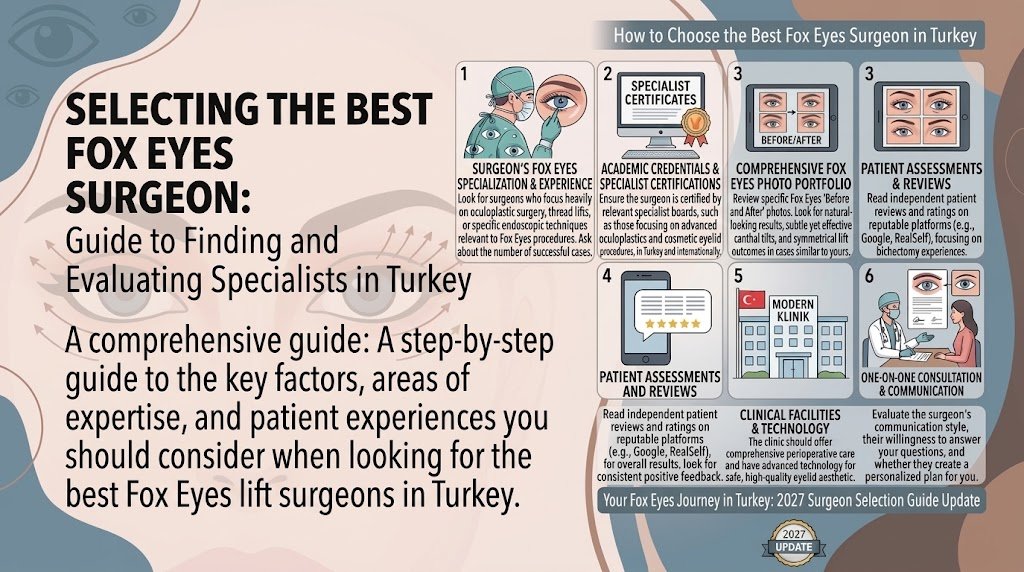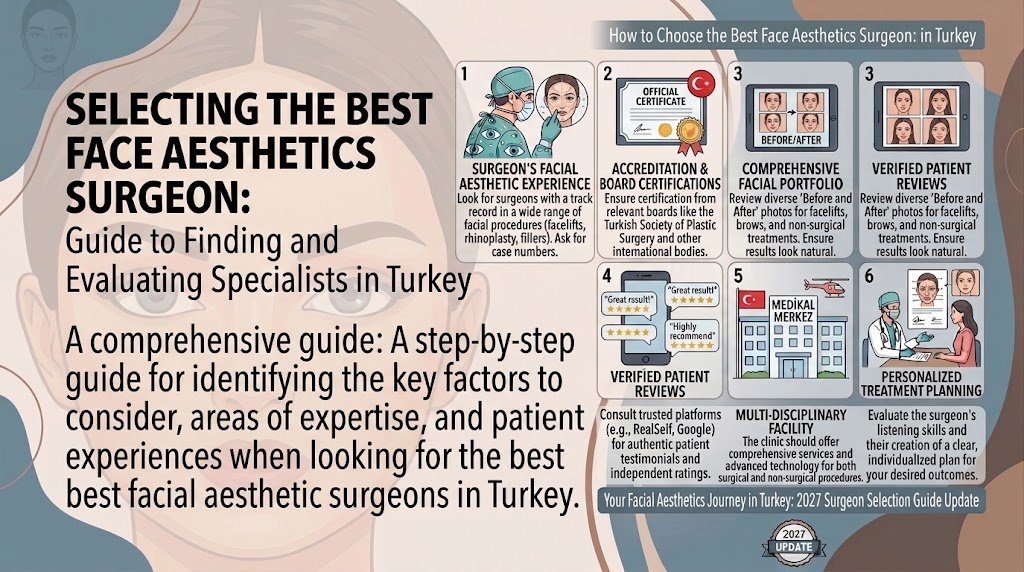
Choosing to undergo facial aesthetic surgery is one of the most personal decisions a person can make — one that can restore confidence, refresh appearance, and improve overall quality of life. The single most important factor in achieving a safe procedure and a natural-looking result is selecting the right surgeon. In recent years, Turkey has become a leading global destination specifically for face aesthetics, combining internationally trained specialists, modern hospital infrastructure, and competitive pricing. This guide offers a comprehensive roadmap for anyone researching a face aesthetics surgeon in Turkey, focusing on the practical, in-depth research needed to make an informed and confident choice — not just surface-level marketing claims.
Why Turkey Is a Top Destination for Face Aesthetic Surgery
Turkey’s rise as a hub for facial aesthetic procedures — including rhinoplasty, facelifts, eyelid surgery, and non-surgical facial rejuvenation — is the result of several factors coming together at once:
- Strong Growth in Medical Tourism: Government-backed policies and significant private-sector investment have accelerated Turkey’s position as a global medical tourism hub, with facial aesthetic surgery among the fastest-growing specialties.
- Strategic Geographic Location: Turkey’s proximity to Europe, the Middle East, and Africa makes it an easily accessible destination for international patients seeking short, direct travel.
- Competitive Pricing Without Compromising Quality: High-quality facial procedures are typically offered at a fraction of the cost found in Western Europe or North America, making Turkey a budget-friendly option that does not sacrifice clinical standards.
- Internationally Experienced Facial Surgeons: Turkish facial plastic surgeons frequently train internationally and treat patients from dozens of countries, building a deep and varied caseload that is especially valuable for complex facial procedures where precision and anatomical understanding are critical.
- Modern Medical Infrastructure and Accredited Facilities: Many Turkish hospitals and clinics operate with state-of-the-art equipment and hold international accreditations such as JCI, applying up-to-date clinical protocols that prioritize patient safety.
- Patient-Centered, End-to-End Service: Leading Turkish aesthetic centers offer comprehensive care before, during, and after surgery — including accommodation, airport transfers, and multilingual support — which significantly improves the overall patient experience.
Turkey’s appeal goes well beyond price. The country competes on an international level through quality, technology, and a strong focus on patient satisfaction, with continuous investment in modern techniques and facilities.
Core Criteria for Choosing the Right Face Aesthetics Surgeon
Selecting a face aesthetics surgeon is one of the most critical steps in this personal journey. The following core criteria will guide you toward a safe and successful experience:
- Facial Surgery Specialization and Years of Experience: How much hands-on experience the surgeon has with the specific facial procedure you are considering matters enormously.
- Education and International Certifications: The surgeon’s training background and internationally recognized credentials are strong indicators of competence.
- Genuine Patient Reviews and References: Feedback from previous patients offers insight into the surgeon’s bedside manner, communication style, and overall satisfaction rates.
- A Detailed Before-and-After Photo Portfolio: Realistic photographs of the surgeon’s previous facial cases help set accurate expectations for your own results.
- Communication Skills and Empathy: Being able to speak openly and honestly with your surgeon helps you feel secure at every stage of the process.
- Standards of the Clinic or Hospital Where Surgery Takes Place: The hygiene, technology, and safety standards of the facility performing the operation are critical to a safe outcome.
- Comprehensive Post-Operative Follow-Up: Regular monitoring of your recovery by the surgeon is essential for the early detection and management of any complications.
Rather than focusing on social media popularity or advertising alone, prioritize scientific competence, ethical standards, and patient safety. A surgeon’s personal approach plays a decisive role in overall patient satisfaction.
Surgical Specialization and Experience in Facial Procedures
Success in face aesthetic surgery is closely tied to a surgeon’s depth of experience in a specific area. For the particular procedure you are considering — such as rhinoplasty in Istanbul, facelift, eyelid surgery (blepharoplasty), or chin and jawline contouring — the surgeon’s specialization, case volume, experience with complex cases, and ability to manage potential complications are extremely important.
Surgeons who specialize deeply in facial procedures, rather than practicing general aesthetic surgery across the entire body, tend to be more familiar with the latest techniques and best practices specific to the face. This translates into more predictable, natural, and successful outcomes. The number and diversity of similar facial cases in a surgeon’s portfolio gives valuable insight into the likelihood of achieving a result suited to your own facial anatomy.
Education, Certifications, and Accreditations
A facial aesthetics surgeon’s professional background is one of the clearest indicators of competence. Make sure your prospective surgeon meets the following criteria:
- Medical School: Graduation from a reputable medical school reflects the quality of the surgeon’s foundational medical education.
- Specialist Training: Full specialist training in Plastic, Reconstructive, and Aesthetic Surgery — or specifically in Facial Plastic Surgery — is essential.
- National and International Professional Memberships: Membership in national associations such as the Turkish Society of Plastic, Reconstructive and Aesthetic Surgery (TPRECD), or international bodies such as the European Board of Plastic, Reconstructive and Aesthetic Surgery (EBOPRAS), demonstrates a surgeon’s commitment to professional ethics and standards.
- Continuing Education and Up-to-Date Certifications: Ongoing training that shows the surgeon stays current with advances in facial surgery techniques is an important sign of continued competence.
Holding a certificate is not enough on its own — what matters is whether it is current, internationally recognized, and backed by continuous learning. This is a sign that your surgeon can offer the newest and safest facial procedures available.
Patient Reviews, References, and Before/After Photos
One of the most effective ways to learn about a surgeon is by reviewing other patients’ experiences — but this information should be evaluated carefully:
- Trustworthy Platforms: Read genuine patient reviews on reliable sources such as Google Reviews, clinic websites, and independent health forums. Video testimonials can offer an even more realistic perspective.
- Reading Between the Lines: Pay attention not only to positive reviews but also to negative ones and how the surgeon responded to them. Be cautious of overly generic phrasing, one-time accounts, or repeated identical wording, which can indicate fake reviews.
- Before-and-After Photo Portfolios: A surgeon’s photo galleries should include multiple angles and a range of facial structures and age groups. These photos should reflect typical, realistic results — not only the best-case outcomes.
- Privacy and Consent: Make sure patient privacy is respected and that photos are shared only with the patient’s consent — a clear sign of the surgeon’s ethical standards.
Communication, Empathy, and the Consultation Process
The relationship you build with your surgeon is fundamental to both the success of the procedure and your own peace of mind. A strong consultation process should include:
- Active Listening: The surgeon carefully listens to and fully understands your expectations and concerns.
- Realistic Expectation-Setting: A clear, honest picture of likely outcomes, without exaggerated promises.
- Clear, Understandable Information: A thorough explanation of the procedure, potential risks, the recovery process, and alternative treatment options.
- Patient Answers to Your Questions: All of your questions are answered thoroughly and patiently.
- Post-Operative Support: Detailed information about follow-up care and support after your surgery.
A surgeon who acts not only as a technical practitioner but also as an understanding, trustworthy advisor builds the foundation of a strong patient relationship — helping you feel safe and supported throughout your facial aesthetics journey.
Legal and Ethical Considerations When Choosing a Face Aesthetics Surgeon in Turkey
For international patients considering facial aesthetic surgery in Turkey, paying attention to legal and ethical factors is essential for a safe process. Turkey’s medical tourism regulations align with international standards and place patient safety at the center of current requirements:
- Ministry of Health Approval: Make sure the procedure takes place in a clinic or hospital that is licensed and approved by Turkey’s Ministry of Health.
- The Surgeon’s Legal Right to Practice: Confirm that the surgeon holds a valid license to practice and is legally authorized to perform aesthetic surgery in Turkey.
- Medical Insurance and Liability: Understand the medical insurance coverage and liability held by both the surgeon and the clinic in case of unexpected complications.
- Patient Rights Declaration: Familiarize yourself with Turkey’s patient rights regulations and confirm that your rights are protected throughout your treatment.
- Personal Data Protection (KVKK Compliance): Make sure your personal and medical data is protected in accordance with Turkey’s Personal Data Protection Law (KVKK).
- Contract Details: Before your procedure, obtain a detailed contract covering all services, costs, risks, and warranty terms, and read every clause carefully.
- International Patient Procedures: Ask about the specific arrangements and support services available to international patients.
Paying attention to these details helps protect your legal rights and ensures you receive care that meets ethical, internationally recognized standards.
The First Consultation: What to Expect and What Questions to Ask
The initial consultation is one of the most important steps in your facial aesthetic surgery journey. It is your opportunity to get to know your surgeon, clarify your expectations, and gather detailed information about the procedure. The goal of this meeting is to set realistic expectations, assess risk, and choose the right technique. Preparing for this consultation in advance will make it much easier to reach the right decision.
Key questions to ask your surgeon:
- Experience: How often do you perform this specific facial procedure? How many years have you specialized in this area?
- Risks and Complications: What are the potential risks and possible complications of this procedure? What is the protocol if a complication occurs?
- Recovery Process: How long does recovery take? When can I return to normal daily activities? How will pain be managed?
- Cost Breakdown: What is included in the total cost (surgeon’s fee, anesthesia, hospital stay, medication, follow-up visits)? Are there any hidden fees?
- Revision Policy: What is your revision policy in the event of an unexpected outcome? Who bears the cost of a revision procedure?
- Type of Anesthesia: What type of anesthesia will be used, and who will be my anesthesiologist?
- Before-and-After Photos: Can I see before-and-after photos of cases similar to mine?
- Clinic/Hospital Accreditation: What accreditations does the clinic or hospital where the surgery will take place hold?
- Post-Operative Follow-Up: How often, and for how long, will post-operative check-ups take place?
Clearly expressing your expectations and listening carefully to your surgeon’s explanations is essential to a smooth process — and gives you far greater control over your own care and outcomes.
Cost Factors and Pricing Transparency
The cost of facial aesthetic surgery is made up of several components, and having these clearly explained is extremely important for patients. Keep in mind that the cheapest option is not always the best one — weighing cost against value, and recognizing that quality care is a genuine health investment, matters far more than price alone. The following cost components are typically included in the total price:
- Surgeon’s Fee: The professional fee charged by the surgeon.
- Anesthesia Fee: The anesthesiologist’s professional fee and the anesthesia materials used.
- Hospital Stay: Room and care costs based on the length of your post-operative hospital stay.
- Medical Supplies Used: Implants, specialized sutures, dressings, and other consumables used during the procedure.
- Medication: Medication required before and after your surgery.
- Post-Operative Check-Ups: Regular follow-up appointments to monitor your recovery.
- Potential Revision Costs: The cost policy for any revision surgery that may occasionally be needed.
The absence of hidden fees, and a full, itemized breakdown of all costs provided before the procedure, are strong indicators of a trustworthy clinic and surgeon. Pricing transparency helps patients budget accurately and avoid unexpected additional charges.
Face Aesthetics Surgeon Selection Criteria: Comparison Table
The table below summarizes the core criteria to consider when choosing a face aesthetics surgeon in Turkey, along with their relative importance. It offers a practical tool to help you evaluate different surgeons or clinics against objective standards.
Criterion | Description | Importance |
|---|---|---|
Facial Surgery Specialization | Depth of experience specifically in facial procedures (rhinoplasty, facelift, blepharoplasty, etc.). | Very High |
Education & Certifications | Academic background and recognized professional qualifications. | High |
Patient Reviews & Before/After Photos | Real patient experiences and satisfaction, backed by realistic photo evidence. | Medium–High |
Communication & Empathy | How well the surgeon listens and manages expectations. | High |
Pricing Transparency | Clear, itemized disclosure of all cost components. | Medium |
Conclusion and Strategic Decision: Move Forward with Confidence
Facial aesthetic surgery is a deeply personal journey that promises a meaningful change in your life — and the most critical step in that journey is choosing the right surgeon. Given the advantages Turkey offers in medical tourism, thorough research and an informed decision-making process are essential to confidently achieving the transformation you envision. Prioritizing independent research, keeping expectations realistic, and avoiding a rushed decision all reinforce the understanding that this process is, first and foremost, a health investment.
By applying the insights in this guide to your own situation, you can make an informed and safe decision. Remember: your facial aesthetics journey is a personal experience, and the right starting point is the strongest foundation for achieving the results you want. Take the first confident step toward the change you’re looking for — reach out to our specialists today and take advantage of a personalized consultation.
Frequently Asked Questions
Look for full specialist training in Plastic, Reconstructive and Aesthetic Surgery (or Facial Plastic Surgery specifically), membership in recognized bodies such as TPRECD or EBOPRAS, and a substantial, verifiable caseload in the exact procedure you’re considering. A reputable surgeon will be transparent about their credentials and happy to share them before you book anything.
Yes, provided you choose a Ministry of Health–approved clinic or hospital, ideally with international accreditation such as JCI, and a surgeon who is legally licensed to practice in Turkey. Confirming insurance coverage, patient rights protections, and KVKK-compliant data handling before your procedure adds an extra layer of safety.
A transparent quote usually covers the surgeon’s fee, anesthesia, hospital stay, medical supplies, pre- and post-operative medication, and follow-up check-ups. Always ask for a full, itemized breakdown in writing before you commit, so there are no hidden costs later.
Recovery time depends on the specific procedure, but most facial surgeries require at least 7–10 days in Turkey for initial healing and follow-up before flying is considered safe. Your surgeon should give you a personalized recovery timeline, including when you can resume normal activities, during your consultation.
Ask about the clinic’s revision policy during your first consultation — specifically what qualifies for a revision, any associated costs, and the required waiting period before a revision can be assessed (results need time to fully settle). A trustworthy surgeon will discuss this openly rather than avoiding the topic.