Facial Feminization Surgery (FFS) is a set of surgical procedures designed to modify facial features to create a more feminine appearance, aligning an individual’s outer self with their inner gender identity. It is a critical component of gender affirmation, empowering profound confidence and authentic self-expression. Facial Feminization Surgery (FFS) represents a deeply personal and transformative journey for many transgender women and gender non-conforming individuals. It goes beyond conventional cosmetic enhancements, serving as a vital step in aligning one’s physical presentation with their authentic self. At Face Aesthetics, we understand that FFS is not merely about altering appearances; it’s about fostering psychological well-being, reducing gender dysphoria, and facilitating social integration. Our modern approaches and expert insights guide individuals through this empowering process, aiming for natural-looking results that reflect their true identity.
What is Facial Feminization Surgery (FFS)?
Facial Feminization Surgery (FFS) encompasses a range of surgical procedures that reshape masculine facial features into those typically associated with femininity. Its primary purpose is to help individuals, primarily transgender women, achieve facial characteristics that are congruent with their gender identity, thereby alleviating gender dysphoria and enhancing self-perception. Unlike general cosmetic surgery, which often aims for ‘beautification’ within a cisgender context, FFS is specifically tailored to address and reduce masculine skeletal and soft tissue characteristics while enhancing feminine ones. This distinction is crucial, as FFS focuses on the nuanced differences in facial anatomy between genders, such as brow ridge prominence, jawline angles, and nose shape, to create a harmonious and authentically feminine facial structure. Common facial features targeted by FFS include:
- Forehead and brow bone
- Hairline
- Nose
- Cheeks
- Lips
- Jawline and chin
- Adam’s apple (trachea)

Who is Facial Feminization Surgery For? Candidacy and Considerations
Facial Feminization Surgery is typically sought by transgender women and gender non-conforming individuals who experience gender dysphoria related to their facial features. Ideal candidates are those who are in good general health, have a stable mental health status, and possess realistic expectations about the outcomes of the surgery. A multidisciplinary team approach is paramount in assessing readiness for FFS. This often includes mental health professionals who can provide comprehensive support, ensuring the individual is psychologically prepared for the journey and its emotional aspects. This holistic evaluation aligns with the World Professional Association for Transgender Health (WPATH) Standards of Care, which emphasize informed consent and a thorough understanding of the surgical process. Key candidacy requirements for FFS generally include:
- Persistent Gender Dysphoria: A documented diagnosis of gender dysphoria.
- Age of Majority: Being of legal age in the country where surgery is performed.
- Capacity to Make Fully Informed Decisions: Understanding the risks, benefits, and limitations of FFS.
- Well-Controlled Medical Conditions: Any existing health issues must be managed effectively.
- Psychological Readiness: Having stable mental health and a strong support system.
- Realistic Expectations: Understanding that FFS aims for feminization, not necessarily a specific celebrity look, and that results are individualized.
Key Facial Feminization Procedures: Techniques and Transformations
Facial Feminization Surgery involves a highly individualized combination of procedures designed to create a softer, more feminine facial contour. Modern approaches leverage advanced technologies like 3D planning and virtual surgical simulation, allowing for precise customization and predictable outcomes. These innovations, coupled with less invasive techniques, contribute to improved results and often reduced recovery times, transforming both the art and science of achieving natural-looking feminization.

Forehead and Brow Contouring
Forehead and brow contouring procedures address the upper third of the face, which often presents the most significant masculine features. This foundational set of procedures includes forehead reduction, brow bone shaving (osteotomy types 1, 2, or 3 depending on bone structure), hairline advancement to reduce a high forehead, and a brow lift to elevate the eyebrows and open the eyes. The goal is to create a smoother, more rounded forehead and a higher, more arched brow line. The delicate balance between bone reduction and soft tissue management is crucial to ensure natural and harmonious results, as the forehead significantly impacts the perception of gender identity.
Rhinoplasty (Nose Reshaping)
Rhinoplasty in FFS focuses on reshaping the nose to achieve a more delicate and feminine appearance. This typically involves reducing the overall nose size, refining the bridge to remove any dorsal hump, lifting and narrowing the tip, and often narrowing the nostrils. The approach is highly individualized, considering the overall facial harmony and proportions rather than aiming for a generic ‘feminine’ nose. The goal is a nose that complements the newly feminized features and contributes to a balanced profile. Key changes made during FFS rhinoplasty include:
- Reducing overall size and projection.
- Refining the nasal bridge.
- Lifting and narrowing the nasal tip.
- Reducing nostril flare.
Jaw and Chin Contouring
Jaw and chin contouring procedures focus on the lower third of the face, softening angular masculine features into more gentle, feminine curves. This can involve jaw angle reduction (mandibular angle reduction) to reduce the width and sharpness of the jawline, and chin reshaping (genioplasty) to alter the chin’s projection, width, and shape, often creating a more oval or V-line contour. These procedures are vital for achieving overall facial balance and complementing the feminization achieved in the upper face. Genioplasty refers specifically to surgical modification of the chin bone, while jaw angle reduction targets the corners of the lower jaw.
Tracheal Shave (Adam’s Apple Reduction)
A tracheal shave, also known as chondrolaryngoplasty, is a surgical procedure to reduce the prominence of the Adam’s apple (thyroid cartilage). For many individuals, a visible Adam’s apple is a significant source of gender dysphoria, making this a psychologically important, albeit relatively minor, procedure. The surgeon carefully shaves down the cartilage to create a smoother, less prominent neck profile.
Other Complementary Procedures
Beyond the primary FFS procedures, several complementary techniques can further refine and enhance overall facial feminization and harmony. These procedures fine-tune the results, addressing subtle details that contribute significantly to a more feminine aesthetic. These include:
- Lip Lift: Shortens the space between the nose and the upper lip, creating a fuller, more youthful lip appearance and enhancing vermilion show.
- Cheek Augmentation: Adds volume to the cheeks using implants or fat grafting, creating a softer, more rounded mid-face.
- Hairline Lowering: Directly moves the hairline forward to reduce the height of the forehead, often performed in conjunction with forehead contouring.
- Facial Fat Grafting: Uses the patient’s own fat to add volume and contour to various areas of the face, such as the temples, cheeks, or lips, for a softer, more feminine look.
The FFS Journey: From Consultation to Recovery
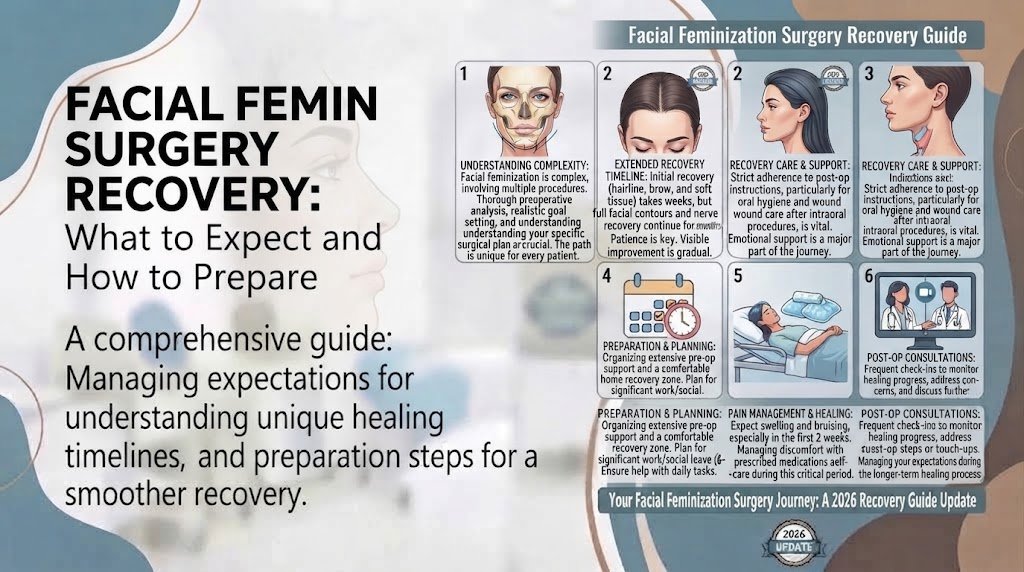
The journey through Facial Feminization Surgery is a carefully orchestrated process, beginning with a thorough consultation and extending through a comprehensive recovery period. Understanding each phase helps set realistic expectations and ensures a smoother experience. The FFS journey typically involves these phases:
- Initial Consultation: A detailed discussion with your surgeon to understand your goals, assess your facial anatomy, and review your medical history. This is where personalized treatment plans are developed.
- Surgical Planning: Utilizing advanced tools like 3D imaging and virtual surgical simulation, your surgeon meticulously plans each procedure, allowing for precise adjustments and visualization of potential outcomes.
- Pre-operative Preparations: This phase includes medical evaluations, blood tests, and potentially adjusting medications. You will receive detailed instructions on how to prepare for surgery, including dietary restrictions and cessation of certain habits.
- The Surgery Itself: Performed under general anesthesia, the chosen combination of FFS procedures is carried out by your surgical team.
- Immediate Post-operative Care: Following surgery, you will be monitored in a recovery area. Pain management and initial swelling control are prioritized.
- Short-term Recovery: The first few weeks involve significant swelling and bruising. You’ll receive specific instructions for wound care, activity restrictions, and follow-up appointments. Most patients can return to light activities within 2-4 weeks.
- Long-term Recovery: Full healing can take several months to a year or more as swelling completely resolves and tissues settle. During this time, the final results gradually emerge. A strong support system, including family, friends, or support groups, is invaluable for navigating the emotional aspects of healing and adjusting to your new appearance.
Choosing the Right Surgeon for Your FFS
Selecting the right surgeon for Facial Feminization Surgery is one of the most critical decisions in your journey. It requires careful consideration of their qualifications, experience, and approach to gender-affirming care. When choosing a qualified FFS surgeon, consider the following criteria:
- Board Certification: Ensure the surgeon is board-certified in plastic surgery or a related specialty, indicating a high level of training and expertise.
- Specialized Experience in FFS: Look for a surgeon with extensive experience specifically in FFS, as it requires a unique understanding of gender-affirming aesthetics beyond general cosmetic surgery.
- Patient Testimonials and Reviews: Review feedback from previous patients to gauge their experiences with the surgeon and clinic.
- Before-and-After Galleries: Examine a comprehensive portfolio of their FFS results, paying attention to naturalness and consistency.
- Communication Style: Choose a surgeon who listens attentively to your goals, communicates clearly, and makes you feel comfortable and respected.
- Clinic Accreditation: Verify that the surgical facility is accredited, ensuring high standards of safety and patient care.
- Artistic Eye and Understanding: Beyond technical skill, a great FFS surgeon possesses an artistic eye and a deep understanding of what constitutes a feminine face, ensuring results are harmonious and authentic to your identity.
Key questions to ask your FFS surgeon:
- How many FFS procedures have you performed?
- What specific procedures do you recommend for me, and why?
- Can I see before-and-after photos of patients with similar goals to mine?
- What are the potential risks and complications, and how do you manage them?
- What is the typical recovery timeline, and what support is available during that time?
- What are your payment and financing options?
Costs and Financing Options for FFS
The cost of Facial Feminization Surgery can vary significantly based on the number and complexity of procedures performed, the surgeon’s experience, the geographic location of the clinic, and facility fees. While it’s a significant investment, understanding the factors involved and exploring financing options can make it more accessible. Average cost ranges for FFS typically fall between $20,000 and $50,000 or more for a comprehensive set of procedures. However, this is a general estimate, and a personalized quote will be provided after your consultation. It’s important to note that these figures are subject to change based on individual needs and the specific services included. Cost factors for FFS:
- Surgeon’s Fees: Based on experience and reputation.
- Anesthesia Fees: Dependent on the length of the surgery.
- Facility Fees: For the use of the operating room and related services.
- Number and Type of Procedures: More complex or numerous procedures increase costs.
- Pre- and Post-operative Care: Consultations, follow-up appointments, and medications.
Insurance coverage for gender-affirming care, including FFS, is an evolving landscape. Many insurance providers now cover FFS, especially when deemed medically necessary for treating gender dysphoria, often requiring pre-authorization and adherence to WPATH guidelines. It’s crucial to thoroughly research your specific policy and work with your surgeon’s office to navigate the pre-authorization process. For those without insurance coverage or seeking additional financial support, various financing plans, medical loans, and grants from organizations supporting transgender healthcare may be available.
Risks and Benefits of Facial Feminization Surgery
Like any surgical procedure, Facial Feminization Surgery carries potential risks, but it also offers profound benefits that significantly enhance the quality of life for many individuals. A thorough understanding of both is essential for informed decision-making. Potential risks of FFS:
- General Surgical Risks: Infection, bleeding, adverse reactions to anesthesia.
- Numbness or Altered Sensation: Temporary or, in rare cases, permanent changes in facial sensation.
- Asymmetry: While surgeons strive for symmetry, minor variations can occur.
- Scarring: Incisions are carefully placed to minimize visibility, but scars are inevitable.
- Dissatisfaction with Results: Despite careful planning, individual perception of results can vary.
- Hair Loss: Temporary or, rarely, permanent hair loss around hairline incisions.
- Nerve Damage: Rare but possible, potentially affecting facial movement or sensation.
Significant benefits of FFS:
- Improved Self-Esteem and Confidence: Aligning external appearance with internal identity can dramatically boost self-worth.
- Reduced Gender Dysphoria: Alleviating the distress caused by masculine facial features.
- Enhanced Social Congruence: Being perceived by others in a way that aligns with one’s gender identity, reducing misgendering.
- Greater Sense of Authenticity: Living more fully as one’s true self.
- Improved Mental Health: Many patients report significant improvements in anxiety and depression post-FFS.
- Increased Comfort in Social Settings: Feeling more at ease and confident in public and social interactions.
The benefits often extend far beyond aesthetic changes, profoundly impacting an individual’s psychological and social well-being, leading to a significantly improved quality of life. For those considering comprehensive facial rejuvenation, combining FFS with other procedures like a facelift in Turkey can offer even more transformative results, addressing signs of aging alongside feminization goals. Similarly, exploring options like a facelift turkey can be a part of a broader aesthetic plan.
Psychological Impact and Support After FFS
The journey through Facial Feminization Surgery is not just physical; it’s also a profound psychological and emotional experience. After FFS, individuals often navigate a complex range of emotions, from immense joy and relief to anxiety and adjustment challenges. Addressing post-operative emotions is crucial. Patients may experience a “honeymoon phase” followed by periods of emotional fluctuation as swelling subsides and their new appearance becomes more defined. Body image adjustments are a significant part of this process, requiring time and self-compassion to fully integrate the changes. The role of mental health support, including therapy or counseling, is invaluable during this period. It provides a safe space to process feelings, develop coping strategies, and navigate the social transitions that often accompany FFS. Ongoing psychological support and connecting with community resources, such as support groups for transgender individuals, can help foster resilience and ensure a healthy integration of one’s new appearance into their life and identity. Types of support beneficial after FFS:
- Individual therapy or counseling specializing in gender-affirming care.
- Support groups for FFS patients or transgender individuals.
- Peer mentorship programs.
- Family and friends who offer understanding and encouragement.
- Online communities and forums for shared experiences.
Modern Approaches and Innovations in FFS
The field of Facial Feminization Surgery is continuously evolving, with modern approaches and innovations making procedures safer, more precise, and yielding increasingly natural-looking results. These advancements reflect a deeper understanding of facial anatomy and gender-affirming aesthetics. Key innovations in FFS include:
- 3D Planning and Virtual Surgical Simulation: Surgeons now use sophisticated software to create detailed 3D models of a patient’s skull and soft tissues. This allows for precise pre-operative planning, virtual “try-on” of different surgical outcomes, and enhanced communication between surgeon and patient.
- Less Invasive Techniques: Developments in endoscopic tools and techniques allow for certain procedures, such as brow lifts and hairline advancements, to be performed with smaller incisions, leading to reduced scarring and faster recovery.
- Improved Anesthesia Protocols: Modern anesthesia practices prioritize patient safety and comfort, minimizing post-operative nausea and pain, and contributing to quicker initial recovery.
- Enhanced Recovery After Surgery (ERAS) Programs: These comprehensive, evidence-based protocols optimize patient care before, during, and after surgery, focusing on pain management, early mobilization, and nutrition to accelerate healing and reduce complications.
- Advanced Bone Reshaping Tools: Precision instruments, including ultrasonic bone-shaping devices, allow for more controlled and accurate bone reduction and contouring, particularly in areas like the forehead and jaw.
- Personalized Fat Grafting: Utilizing a patient’s own fat to add subtle volume and softness to areas like the cheeks and lips, enhancing feminization with natural tissues.
These technological and philosophical shifts are making FFS more accessible and effective, ensuring that individuals can achieve results that are not only aesthetically pleasing but also deeply congruent with their authentic selves.
Comparative Analysis of Key FFS Procedures
This table provides a high-level comparison of common FFS procedures, focusing on their primary goal, typical recovery aspects, and general impact.
Procedure Area | Primary Goal | Typical Recovery (Initial) | Expected Impact |
Forehead & Brow | Reduce masculine brow ridge, advance hairline | 1-2 weeks swelling/bruising | Significant feminization of upper face, softer expression |
Rhinoplasty | Refine nose shape, reduce size | 2-4 weeks swelling, splint removal ~1 week | More delicate, proportionate nose |
Jaw & Chin | Soften jawline, reshape chin for oval/V-shape | 2-3 weeks swelling/numbness | Feminine lower face contour |
Tracheal Shave | Reduce Adam’s Apple prominence | 1 week discomfort, minor swelling | Smoother neck profile |
Lip Lift | Shorten upper lip, enhance vermilion show | 1 week swelling, sutures removed ~5-7 days | Fuller, more youthful lips |
Conclusion and Strategic Decision
Facial Feminization Surgery offers a profound pathway to authentic self-expression, providing transformative results that extend far beyond physical appearance. It is a deeply personal and empowering step in a broader journey of self-discovery and affirmation, offering hope and tangible changes that significantly improve quality of life and reduce gender dysphoria. Making an informed decision, supported by a skilled surgical team and comprehensive care, is paramount to a successful outcome. Ready to explore your path to authentic self-expression? Contact us for a personalized consultation at Face Aesthetics. Our expert team is here to discuss your individual goals and explore personalized FFS options, guiding you with empathy and expertise every step of the way.