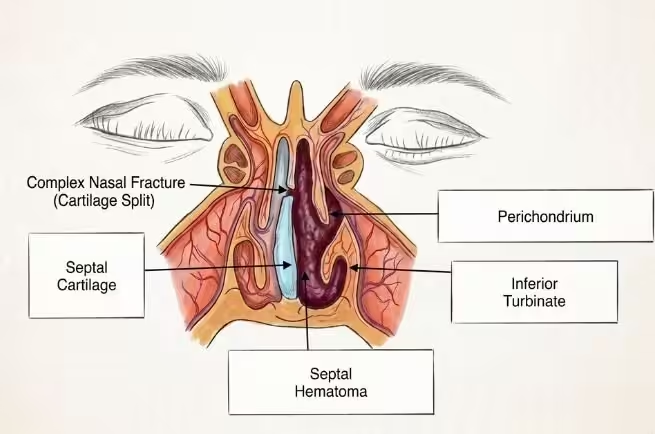
A nasal injury may sometimes seem minor at first, but in certain cases, it can hide a serious medical condition known as a nasal septal hematoma. This condition occurs when blood collects inside the nasal septum, potentially disrupting blood flow to the cartilage and leading to infection, breathing difficulties, or even permanent nasal deformities if left untreated. Symptoms such as persistent nasal congestion, swelling, pain, and pressure inside the nose should never be ignored, especially after trauma or nasal surgery. In this guide, we will explore the causes, symptoms, diagnosis, and treatment options for nasal septal hematoma, along with the potential complications that can develop when early intervention is delayed. We wish you all good health and enjoyable reading.
What is Nasal Septum Hematoma?
A nasal septum hematoma is a condition in which blood collects between the cartilage and the lining of the nasal septum, usually after trauma, surgery, or a direct injury to the nose. Many people describe this condition as a hematoma in nose because it commonly causes nasal blockage, swelling, pain, and difficulty breathing. In some cases, swelling and bruising may also create the appearance of a hematoma on the bridge of the nose, especially after facial trauma or nasal surgery. If left untreated, a nasal septum hematoma may progress into a septic hematoma due to infection, potentially leading to cartilage damage, nasal deformity, or long-term breathing problems. Because of these risks, early diagnosis and prompt treatment are extremely important.
Nasal Septal Hematoma Causes
Nasal septal hematoma causes are usually related to trauma, surgical procedures, or injuries that damage the blood vessels inside the nasal septum. The primary factors that cause hematoma formation include:
- Nasal trauma caused by falls, sports injuries, or accidents
- Direct blows to the nose during physical activities
- Rhinoplasty or septoplasty procedures
- Nasal fractures and facial injuries
- Aggressive nose picking or forceful nasal manipulation
- Bleeding disorders that increase the risk of internal bleeding
- Use of blood-thinning medications such as anticoagulants
- Postoperative complications after nasal surgery
- Infections affecting the nasal tissues
- Childhood injuries due to the softer structure of nasal cartilage
Nasal Hematoma Symptoms
The septal haematoma symptoms vary from person to person and do not occur with the same severity in everyone. Common nasal hematoma symptoms include:
- Nasal congestion or blockage
- Swelling inside the nose
- Pain and tenderness around the nasal area
- Difficulty breathing through the nose
- A feeling of pressure inside the nose
- Visible swelling on the nasal bridge
- Bruising around the nose or eyes
- Persistent nose pain after trauma
- Soft, swollen tissue inside the septum
- Fever or signs of infection in advanced cases
- Changes in the shape of the nose
- Increased discomfort when touching the nose
- Headache or facial pressure
- Difficulty sleeping due to nasal obstruction
- Worsening symptoms after rhinoplasty or nasal injury
How is a Nasal Septal Hematoma Diagnosed?
A nasal septum hematoma is typically diagnosed through a detailed physical examination performed by an ENT specialist, especially after nasal trauma, facial injury, or nasal surgery. Patients who develop symptoms such as nasal blockage, swelling, pain, or a visible hematoma in nose are usually evaluated carefully to determine whether blood has accumulated between the septal cartilage and surrounding tissue. During the examination, the doctor may use a nasal speculum or endoscopic camera to inspect the inside of the nose and identify signs of a nasal septalhematoma, including soft swelling on one or both sides of the septum. In some cases, patients may also present with external bruising or a hematoma on the bridge of the nose, which can indicate deeper internal injury. Medical history is also important during diagnosis, particularly if the patient recently experienced trauma, rhinoplasty, septoplasty, or persistent nasal pain. If infection is suspected, the condition may progress into a septic hematoma, which requires urgent treatment to prevent cartilage damage and permanent deformity. In more severe trauma cases, imaging methods such as CT scans may also be used to evaluate associated nasal fractures or complications related to the nasal septum hematoma.
Nasal Septum Hematoma Treatment
Nasal septum hematoma treatment should be performed as early as possible to prevent infection, cartilage damage, and permanent nasal deformities. In most cases, nasal hematoma treatment involves draining the accumulated blood and protecting the nasal septum during the healing process. The indicated nasal hematoma treatments include;
- Incision and Drainage Procedure: The most common surgical nasal septum hematoma treatment involves making a small incision inside the nasal septum to drain the accumulated blood. This procedure helps relieve pressure on the cartilage and restore healthy blood circulation within the nose.
- Endoscopic Hematoma Drainage: In some cases, surgeons may perform endoscopic nasal hematoma treatment using specialized cameras and instruments. This technique allows for a more detailed visualization of the nasal cavity and helps ensure complete drainage of the hematoma.
- Septal Reconstruction Surgery: If the hematoma has already caused cartilage damage or collapse, reconstructive septal surgery may be required. This surgical nasal septum hematoma treatment helps restore both nasal function and the external appearance of the nose.
- Cartilage Grafting Procedures: In severe cases involving cartilage loss, surgeons may use cartilage grafts taken from the septum, ear, or rib to rebuild the damaged nasal structure as part of advanced nasal hematoma treatment.
- Surgical Treatment for Septal Abscess: If the hematoma becomes infected and develops into a septal abscess or septic hematoma, emergency surgical drainage is usually necessary. This procedure removes infected material and reduces the risk of widespread tissue damage.
- Nasal Packing After Surgery: Following surgical drainage, internal nasal packing may be placed to prevent re-accumulation of blood and support the healing process after nasal septum hematoma treatment.
- Revision Surgery for Persistent Deformities: Patients who develop long-term complications such as saddle nose deformity may require revision rhinoplasty in Turkey to improve breathing function and correct cosmetic changes caused by delayed nasal hematoma treatment.
What Happens if a Septic Hematoma is Left Untreated?
Septic hematoma, if left untreated, can lead to serious and potentially permanent complications. In this condition, blood accumulating within the nasal septum becomes infected and creates pressure that disrupts blood flow to the septal cartilage. As the infection progresses, the cartilage may begin to weaken and die, leading to cartilage necrosis and collapse of the nasal bridge. This can result in visible deformities, such as saddle nose, chronic nasal congestion, and breathing difficulties.
Patients with untreated septic hematoma may also experience severe pain, increased swelling, fever, pus formation, and worsening nasal congestion. In more advanced cases, the infection can spread to nearby tissues, leading to dangerous complications involving the sinuses, facial structures, or blood circulation. Because of these risks, early diagnosis and antibiotic treatment, along with prompt surgical drainage, are considered essential to preserve both nasal function and appearance.
How to Prevent Septic Hematoma?
- Any significant nasal injury, swelling, or persistent congestion after trauma should be evaluated by an ENT specialist to detect a possible hematoma before infection develops.
- Early drainage and proper treatment of a nasal septal hematoma greatly reduce the risk of bacterial infection and septic hematoma formation.
- After rhinoplasty or septoplasty, patients should follow all postoperative recommendations, including medication use, nasal hygiene, and follow-up appointments.
- If antibiotics are prescribed after nasal surgery or hematoma drainage, they should be taken exactly as directed to help prevent infection.
- Protecting the nose from repeated injuries during the healing process is important to reduce bleeding, swelling, and infection risk.
- Keeping the nasal area clean and avoiding excessive touching or nose picking may help decrease bacterial contamination.
- Increasing pain, fever, swelling, redness, pus drainage, or worsening nasal blockage may indicate infection and should be evaluated immediately.
- Follow-up visits allow doctors to monitor healing, detect recurrent hematomas, and prevent progression into a septic hematoma.
- Patients with clotting disorders or those using blood-thinning medications should be monitored carefully after nasal injuries or surgery.
- Having rhinoplasty or septal surgery performed by experienced specialists may help reduce the likelihood of postoperative complications, including septic hematoma formation.
Nasal Septum Hematoma in Children
Nasal septal hematoma in children is considered a serious medical condition requiring early diagnosis and prompt treatment. Because children’s nasal cartilage is softer and more fragile, even minor traumas such as falls, sports injuries, or accidental blows can lead to nasal hematoma. In many pediatric cases, symptoms may initially appear mild, which can delay diagnosis and increase the risk of complications. On the other hand, children with nasal septal hematoma may experience nasal congestion, pain, swelling, shortness of breath, and visible bruising or hematoma on the bridge of the nose after trauma. If the accumulated blood becomes infected, the condition can develop into a septic hematoma, potentially leading to cartilage destruction and long-term nasal deformities during facial development. Since the nasal septum plays a significant role in the growth of the nose and midface, untreated hematomas in children can negatively impact both appearance and respiratory function later in life. When a nasal septal hematoma is suspected in pediatric patients, prompt ENT evaluation, early drainage, and appropriate follow-up care are strongly recommended.
Septic Hematoma After Rhinoplasty
Septic hematoma after rhinoplasty is a serious complication that occurs when blood accumulates in the nasal septum after surgery and becomes infected. Although rare, if not detected early, it can disrupt the blood supply to the septal cartilage, leading to cartilage necrosis, saddle nose deformity, and permanent breathing problems. Symptoms of septic hematoma after rhinoplasty may include increased nasal pain, severe congestion, foul-smelling discharge, fever, and a feeling of pressure or abnormal warmth inside the nose. It may also develop in some cases alongside reduced flexibility or an asymmetrical appearance of the nasal bridge. Diagnosis is usually made through physical examination and endoscopic evaluation, while treatment involves surgically draining the infected hematoma and prescribing antibiotics. Patients experiencing unusual pain, swelling, or warmth after rhinoplasty should consult their surgeon without delay.
Septal Hematoma After Septoplasty
Post-septoplasty septal hematoma is a serious complication that can develop due to bleeding in the nasal septum following deviated septum surgery. Although rare, a septal hematoma can develop due to the separation of septal tissues and involvement of vascular structures during surgery. In this case, blood accumulates between the septal cartilage and the overlying mucosa, and the resulting pressure can impair the cartilage’s blood supply. Symptoms of septal hematoma after septoplasty may include an increasing nasal temperature, severe nasal odor, a feeling of pressure, tenderness, difficulty breathing, and sometimes fever. Furthermore, it differs from normal postoperative edema because the symptoms generally worsen over time. If not diagnosed early, the condition can develop into a septic hematoma, leading to serious complications such as septal cartilage necrosis, saddle nose deformity, and permanent respiratory problems.
Diagnosis is usually made via endoscopic examination, while treatment may involve surgical drainage of the hematoma, nasal packing if necessary, and antibiotic therapy to avoid risky complications. Patients experiencing unusual pain, severe obstruction, or worsening symptoms after septoplasty should consult their doctors without delay.
Nasal Septal Hematoma Healing Process
- First 24 Hours
After diagnosis, treatment for a nasal septal hematoma usually begins with prompt drainage of the accumulated blood. During the first 24 hours, patients may experience mild bleeding, nasal pressure, tenderness, and congestion. Some nasal hematoma symptoms such as swelling and difficulty breathing through the nose may still continue temporarily after the procedure.
First 2–3 Days
During the first few days, internal swelling and nasal blockage gradually begin to decrease. If nasal packing has been placed, patients may need to breathe through the mouth until it is removed. Doctors often prescribe antibiotics during this stage to reduce the risk of infection and septic complications. Septal haematoma symptoms such as severe pain, increasing pressure, fever, or worsening congestion should be monitored carefully during recovery.
First Week
Within the first week, the nasal tissues start healing more actively and breathing generally becomes easier. Follow-up examinations are important to ensure that the hematoma does not recur and that the septal cartilage remains healthy. Most nasal hematoma symptoms improve significantly during this period if treatment was performed early.
Weeks 2–4
At this stage, swelling, tenderness, and nasal sensitivity continue to improve. Most patients can return to their normal daily activities, although heavy exercise and activities that could cause nasal trauma should still be avoided. Any persistent septal haematoma symptoms should be evaluated by an ENT specialist.
1–3 Months
The nasal septum becomes more stable as healing progresses over the following months. In patients who receive early treatment, long-term complications are usually prevented. However, delayed diagnosis may increase the risk of cartilage weakness, breathing problems, or cosmetic deformities.
Long-Term Recovery
Long-term follow-up may be necessary in patients who experienced infection, cartilage injury, or recurrent hematoma formation. Proper postoperative care and regular examinations play a major role in preventing chronic nasal obstruction and structural complications after a nasal septal hematoma.
Considerations Before Nasal Septum Hematoma Surgery
Before undergoing nasal septum hematoma surgery, there are important points patients should keep in mind to ensure the procedure goes smoothly. Key considerations include:
- Inform your doctor about any previous nasal surgeries or trauma
- Share all medications you are currently using, especially blood thinners
- Discuss any bleeding disorders or chronic medical conditions
- Avoid smoking before surgery, as it may negatively affect healing
- Follow fasting instructions if general anesthesia will be used
- Report symptoms such as fever, worsening pain, or pus drainage before surgery
- Avoid unnecessary pressure or trauma to the nose before the procedure
- Attend all preoperative examinations and imaging evaluations if requested
- Understand the possible risks, recovery timeline, and follow-up process
- Arrange postoperative support and transportation if sedation or anesthesia is planned
Considerations After Nasal Septum Hematoma Surgery
After nasal septum hematoma surgery, proper postoperative care is essential to reduce the risk of recurrence, infection, and long-term complications. During the recovery period, patients should closely follow medical instructions and monitor for any worsening symptoms. Here are the most important things to consider:
- Avoid blowing the nose forcefully during early healing
- Protect the nose from accidental trauma or pressure
- Use prescribed antibiotics and medications regularly
- Attend all scheduled follow-up appointments
- Keep the nasal area clean according to postoperative instructions
- Avoid heavy exercise and strenuous physical activities for several weeks
- Sleep with the head elevated to help reduce swelling
- Avoid smoking and alcohol during the healing process
- Contact your doctor immediately if severe pain, fever, excessive bleeding, or worsening swelling occurs
- Monitor for recurrent nasal blockage or persistent septal haematoma symptoms during recovery
If you would like to learn more about septic hematoma treatment, you can contact the expert doctors at Faceaesthetics, a specialist in nose jobs in Turkey.
Frequently Asked Questions
Some small nasal hematomas may improve gradually without treatment. However, a nasal septal hematoma is generally considered a medical emergency and often requires prompt drainage. Leaving it untreated may increase the risk of infection, cartilage damage, and permanent nasal deformity.
A hematoma on the bridge of the nose can become dangerous depending on its size, location, and underlying cause. If the hematoma affects the nasal septum or causes significant swelling and pressure, it may interfere with blood supply to the cartilage and lead to long-term complications if not treated properly.
Yes. A septic hematoma commonly causes pain, tenderness, and a feeling of pressure inside the nose. Many patients also experience nasal congestion, difficulty breathing, and discomfort that may worsen over time if treatment is delayed.
Yes. An untreated nasal septal hematoma may damage the septal cartilage by reducing its blood supply. This can lead to cartilage collapse and visible deformities such as saddle nose deformity, along with long-term breathing problems.
Although recurrence is not very common, a nasal hematoma can recur in some cases, especially after repeated trauma, incomplete drainage, infection, or underlying bleeding disorders. Regular follow-up and proper treatment help reduce the risk of recurrence.
Nasal septum hematoma is considered a relatively uncommon condition, but it may occur after nasal trauma, facial injuries, rhinoplasty, or septoplasty procedures. Although rare, it is regarded as a medical emergency because delayed diagnosis and treatment can lead to cartilage damage, infection, and permanent nasal deformities.
Diagnosis of a nasal septum hematoma is usually based on physical examination and nasal endoscopy performed by an ENT specialist. During the evaluation, the doctor examines the inside of the nose for swelling, soft tissue enlargement, or blood accumulation within the septum. In cases involving severe trauma or suspected fractures, imaging tests such as CT scans may also be required to evaluate additional facial injuries or complications.
Most treatments for nasal septum hematoma are safe and effective when performed early. However, temporary side effects such as nasal swelling, mild bleeding, tenderness, congestion, and discomfort may occur after drainage or surgery. In some cases, infection, recurrence of the hematoma, scar tissue formation, or persistent nasal obstruction may develop. Rarely, delayed healing or cosmetic changes may occur, especially in severe or previously infected cases.