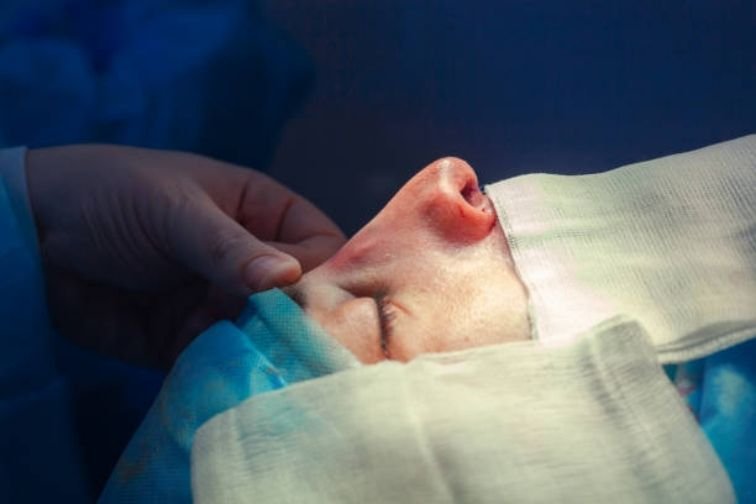
Rhinoplasty, or nose surgery, is one of the most common plastic surgery procedures performed to improve both the aesthetic appearance and the function of the nose. In this common procedure, while some patients may achieve successful results with a single operation, others may need several rhinoplasty procedures to reach their desired outcome. If you’re wondering how many times you can undergo rhinoplasty, take a look at our content.
Why Would Someone Want More Than One Rhinoplasty?
There can be various aesthetic and functional reasons why a person might want to undergo more than one rhinoplasty. For example, in some patients, the shape of the nose may not turn out as expected after the first rhinoplasty, or factors such as swelling, scar tissue, and tissue healing during the recovery process may lead to minor deformities in the nasal structure. In addition, aesthetic issues such as a drooping nasal tip, asymmetry, irregularities on the nasal bridge, or differences in the shape of the nostrils may become more pronounced over time, and the patient may request a second surgery to correct these conditions.
On the other hand, in some cases, breathing problems may not be completely resolved after the first surgery, or new functional issues may arise. Furthermore, trauma, accidents, or changes in the nasal structure over time may also necessitate revision rhinoplasty. For all these reasons, some patients may request more than one rhinoplasty procedure to both improve their aesthetic appearance and restore healthier nasal function.
How Many Rhinoplasties Can One Have?
In theory, a person can undergo more than one rhinoplasty; however, the primary goal of rhinoplasty surgery is to achieve the best possible result during the first procedure. Therefore, in some patients, a second surgery—known as revision rhinoplasty—may be necessary if aesthetic expectations are not fully met, asymmetry develops in the nasal structure, or breathing problems persist following the initial surgery. However, each subsequent surgery can become more complex from a surgical standpoint due to scar tissue formation in the nasal tissues and changes in the cartilage and bone structure. Consequently, the number of times a person can undergo rhinoplasty cannot be strictly limited to a specific number; the decision is determined based on the patient’s nasal anatomy, the scope of previous surgeries, the condition of the tissues, and the surgeon’s assessment. Additionally, sufficient time must be allowed for the nasal tissues to fully heal before each new procedure. In short, the primary goal in rhinoplasty surgery is to achieve the most successful outcome possible during the initial operation through proper planning and an experienced surgical approach.
How Many Times is Rhinoplasty Typically Performed?
Rhinoplasty, or nose surgery, is a procedure typically designed to achieve both aesthetic and functional results through a single surgical intervention. For this reason, the initial rhinoplasty performed by an experienced surgeon with proper planning and a detailed facial analysis is sufficient for most patients, and no additional surgery is required. However, in some cases, a second surgery may be necessary due to factors such as the nasal tissues healing in a different shape than expected, aesthetic expectations not being fully met, or the persistence of functional breathing problems.
This second procedure is called revision rhinoplasty and is typically planned after a certain period has elapsed following the first surgery to allow the nasal tissues to fully heal. Nevertheless, the primary goal in rhinoplasty surgery is to achieve the most successful outcome possible during the first surgery. In this context, the use of proper surgical techniques, a thorough analysis of the patient’s nasal anatomy, and the establishment of realistic expectations are key factors that help reduce the likelihood of a second surgery.
How Long Should You Wait Before Getting Another Rhinoplasty?
The waiting period required before undergoing a subsequent rhinoplasty is crucial for allowing nasal tissues to fully heal and for the final results of the surgery to become apparent. This is because it can take time for the swelling in the nose to subside, for the tissues to reshape, and for the nasal structure to stabilize following rhinoplasty. For this reason, it is generally recommended to wait until the healing process is largely complete before planning a second surgery. On the other hand, interventions performed too early can lead to undesirable outcomes on tissues that are still in the healing process and may complicate the surgical procedure. In this context, if a second rhinoplasty is being considered, adhering to the surgeon’s recommended healing period and scheduling the procedure only after the nasal tissues have fully recovered is considered a safer approach.
Important Considerations in Repeat Rhinoplasty
Revision rhinoplasty (revision nose surgery) requires much greater surgical precision due to changes in tissue structure following the initial procedure. To achieve a successful outcome in this process, the following points must be taken into consideration:
- Timing and Patience: It is recommended to wait at least 1 year (preferably 1.5 years) after the initial surgery. Any procedures performed before the swelling in the tip and bridge of the nose has completely subsided and the scar tissue has fully matured may lead to inaccurate assessments.
- Assessment of Cartilage Reserve: During the initial surgery, the cartilage inside the nose (septum) is typically utilized. Additional cartilage support may be required to reconstruct the nose during revision surgery. In such cases, it must be planned in advance to use the patient’s own ear or rib cartilage.
- Skin and Soft Tissue Quality: Due to previous surgeries, the nasal skin may have thinned or developed excessive adhesions. The skin’s blood supply and elasticity are the most critical limiting factors determining the surgeon’s maneuverability.
- Functional Priority: Revision surgery should aim not only to correct the external appearance but also to address any existing breathing issues (valve insufficiency, septal deviation). Care must be taken not to further narrow the airway for the sake of aesthetics.
- Scar Tissue Management: Hardened scar tissue inside the nose makes it difficult for the surgeon to dissect the anatomical layers. The surgeon’s experience in removing this tissue and placing new cartilage grafts between these layers is of vital importance.
- Realistic Expectations: In revision surgery, the goal should be a nose that is “significantly better and more natural than the current condition” rather than a “perfect” nose. It must be remembered that tissues retain some “memory” from previous surgeries and that outcomes are not entirely predictable.
- Choosing a Surgeon: Revision rhinoplasty requires a much higher level of expertise in microsurgery and structural reconstruction than primary (first) surgery. A surgeon who specializes in this field and has previously managed similar cases should be chosen.
- Preoperative Analysis: The causes of existing issues (deviation, collapse, asymmetry) must be fully diagnosed using 3D simulations or a detailed physical examination. It must be determined whether the problem stems from cartilage deficiency or excess tissue.
- Postoperative Care: Recovery after revision surgery may be slower than after the initial surgery, and swelling may take longer to subside. During this process, the massage techniques and protective measures recommended by the doctor must be strictly followed.
Potential Complications of Multiple Rhinoplasties
Multiple (revision) rhinoplasty surgeries may lead to certain complications due to the further disruption of tissue integrity and reduced blood flow with each new procedure. These complications include:
- Every surgery weakens the network of blood vessels that supplies the nasal skin. In cases of multiple surgeries, if the skin becomes thin and unable to receive adequate nourishment, skin death (necrosis) or permanent discoloration may occur.
- The hard tissue (fibrosis) produced by the body as a healing response can accumulate uncontrollably inside the nose. This condition causes the tip of the nose to appear coarse and irregular from the outside.
- During surgeries, the cartilage and mucosa in the nasal septum may be damaged. Weakening of these tissues can result in the formation of openings inside the nose that are difficult to close, leading to a whistling sound or crusting when breathing.
- If cartilage support becomes excessively weakened due to repeated procedures, the nasal roof may collapse because it can no longer bear the body’s tissue load. This creates both an aesthetic defect and severe breathing difficulties.
- Cartilage grafts taken from the ear or ribs to replace missing tissue may become visible over time due to thinning skin, or they may shift out of place, causing asymmetry in the nose.
- A prolonged surgical procedure, and particularly the use of foreign (synthetic) materials, increases the risk of infection. Tissues that have undergone multiple surgeries have a weaker defense mechanism.
- Repeated cutting of the lymphatic vessels in the nose can cause swelling to persist for months, and sometimes even years.
- Weakening of the cartilage supporting the nasal wings can cause the wings to collapse inward during breathing, leading to chronic obstruction.
- Failure to fully meet expectations or the emergence of new problems with each operation can create distrust in aesthetic surgery and emotional distress in the patient.
If you’re wondering how many times you can have rhinoplasty, you can contact the expert team at Faceaesthetics, which specializes in revision rhinoplasty in Turkey
Frequently Asked Questions
Yes. Revision rhinoplasty is generally a more complex surgical procedure than the initial surgery. This is due to factors such as scar tissue resulting from the previous surgery, altered anatomical structure, and cartilage deficiency.
No. In most patients, a single rhinoplasty is sufficient, and no additional surgical intervention is required. Revision surgery may be necessary only in specific cases.
In some patients, minor aesthetic irregularities or functional issues may arise after the healing process is complete. In such cases, planning a second procedure is medically feasible and is referred to as revision rhinoplasty.
Revision rhinoplasty is suitable for patients who have previously undergone cosmetic nose surgery and are experiencing aesthetic or functional issues with their nasal structure. However, whether the procedure is appropriate is determined by evaluating the patient’s nasal structure and overall health.
Yes. In some cases, minor surgical adjustments or minimal interventions can be performed instead of major surgery. These procedures may be preferred to correct minor deformities in the nose.
To reduce the likelihood of revision surgery, it is important that the procedure be performed by an experienced surgeon, that detailed planning be conducted prior to surgery, and that the patient carefully follow the doctor’s recommendations during the recovery process.