Turkey has firmly established itself as a global leader in aesthetic surgery, particularly for procedures like the facelift. Its blend of highly skilled surgeons, state-of-the-art facilities, and competitive pricing attracts thousands of international patients annually. However, navigating the vast options to find the ideal surgeon for your facelift in 2026 requires careful consideration and a strategic approach. This comprehensive guide from Face Aesthetics will equip you with the knowledge and tools to make an informed decision, ensuring a safe, successful, and satisfying aesthetic journey.
Why Turkey is a Premier Destination for Facelift Surgery
Turkey’s reputation in medical tourism, especially for cosmetic procedures, is well-earned. Understanding the core advantages and unique considerations for international patients is crucial when planning your facelift.
Advantages of Undergoing Facelift Surgery in Turkey
Patients worldwide choose Turkey for their facelift procedures due to a compelling combination of factors:
- Cost-Effectiveness: Facelift surgery in Turkey is significantly more affordable than in many Western countries (e.g., the UK, USA, Canada, Germany) without compromising on quality or safety standards. This allows patients to access premium care at a fraction of the cost.
- High Standards and Advanced Facilities: Turkish clinics and hospitals boast modern infrastructure, equipped with the latest medical technology. Many facilities hold international accreditations, ensuring adherence to global healthcare benchmarks.
- Experienced and Renowned Surgeons: Turkey is home to a large pool of highly trained plastic surgeons, many of whom have extensive international experience and specialize in facial aesthetic procedures. Their expertise often translates into refined techniques and natural-looking results.
- Comprehensive Medical Tourism Packages: Many clinics offer all-inclusive packages covering surgery, accommodation, transfers, and sometimes even post-operative care, simplifying the travel and treatment process for international patients.
- Cultural and Tourism Appeal: Beyond the medical benefits, patients can combine their treatment with a unique cultural experience, exploring Turkey’s rich history, vibrant cities, and beautiful landscapes during their recovery period.
Key Considerations for International Patients
While the advantages are numerous, international patients should also be mindful of specific aspects:
- Travel and Logistics: Plan your travel well in advance, considering visa requirements, flight bookings, and local transportation. Many clinics assist with these arrangements.
- Accommodation: Ensure your chosen accommodation is comfortable and suitable for post-operative recovery, ideally close to the clinic for follow-up appointments.
- Language Barrier: Most reputable clinics catering to international patients have multilingual staff or offer translation services, but it’s wise to confirm this beforehand.
- Post-Operative Care and Follow-ups: Understand the post-operative care plan, including the duration of your stay in Turkey for follow-up appointments and how remote support will be provided once you return home.
Essential Qualities of a Top Facelift Surgeon
Selecting the right surgeon is the single most critical factor for a successful facelift. Look for a professional who embodies a blend of technical skill, artistic vision, and patient-centric care.
Board Certification and Credentials
The foundation of a reputable surgeon lies in their qualifications. Always verify the following:
- Turkish Medical Association Membership: Ensure the surgeon is a registered member of the Turkish Medical Association.
- Board Certification: Confirm that the surgeon is certified by the Turkish Society of Plastic, Reconstructive and Aesthetic Surgeons (TPRECD) or an equivalent internationally recognized board. This signifies they have met rigorous standards of training and expertise.
- Specialized Training: Inquire about any additional fellowships or specialized training in facial plastic surgery.
Specialization and Experience in Facial Aesthetics
While general plastic surgeons perform facelifts, a surgeon with a specific focus on facial aesthetics often yields superior results.
- Focus on Facelift Procedures: Prioritize surgeons who perform a high volume of facelift surgeries regularly. This indicates a deep understanding of facial anatomy and refined surgical techniques.
- Variety of Techniques: An experienced surgeon should be proficient in various facelift techniques (e.g., SMAS, deep plane, mini-facelift) and be able to recommend the most suitable one for your unique needs.
- Years in Practice: While not the only factor, a surgeon with many years of dedicated experience in facial surgery often has a more developed aesthetic eye and problem-solving skills.
Artistic Eye and Understanding of Facial Harmony
A facelift is as much an art as it is a science. The best surgeons possess an innate artistic sensibility.
- Natural Results: The goal of a facelift is rejuvenation, not transformation. A skilled surgeon aims for natural-looking results that enhance your existing features without appearing “pulled” or artificial.
- Proportionality: They should understand facial proportions and how to achieve balance and harmony across all facial features, ensuring the facelift complements your overall appearance.
- Personalized Approach: A top surgeon will tailor the procedure to your individual facial structure, skin quality, and aesthetic goals, rather than applying a one-size-fits-all approach.
Communication and Patient-Centered Approach
Effective communication builds trust and ensures your expectations align with what’s surgically achievable.
- Thorough Consultation: The surgeon should conduct a detailed consultation, actively listening to your concerns and aesthetic desires.
- Clear Explanations: They must clearly explain the proposed surgical plan, the techniques involved, potential risks, expected recovery, and realistic outcomes.
- Accessibility: The surgeon and their team should be accessible to answer your questions before and after the surgery, providing reassurance and support throughout your journey.
- Realistic Expectations: A responsible surgeon will manage your expectations, ensuring you have a clear understanding of what a facelift can and cannot achieve.
The Selection Process: A Step-by-Step Guide
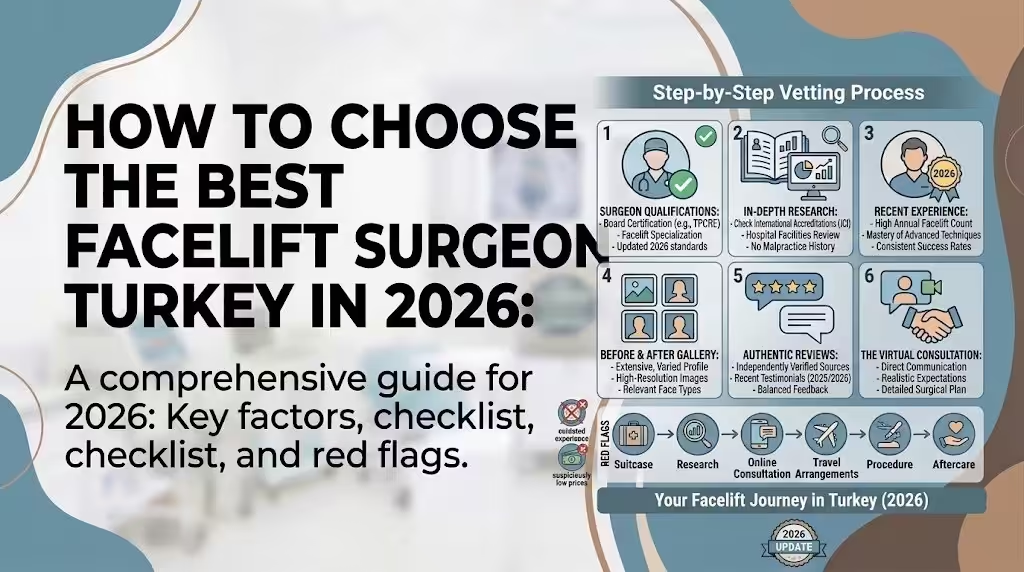
Choosing your facelift surgeon is a methodical process that requires thorough research and careful evaluation.
Initial Research and Shortlisting
Begin by gathering information from various sources to create a preliminary list of potential surgeons.
- Online Reviews and Ratings: Consult platforms like Google Reviews, RealSelf, and clinic-specific testimonials. Look for consistent positive feedback regarding results, patient care, and professionalism.
- Clinic Websites and Social Media: Explore the official websites of clinics and surgeons. Pay attention to their philosophy, areas of specialization, and the information they provide about facelift procedures. Social media can offer insights into their work and patient interactions.
- Referrals: If possible, seek recommendations from friends, family, or your local doctor who may have experience with medical tourism or know reputable clinics in Turkey.
Reviewing Before-and-After Galleries
Visual evidence is crucial for evaluating a surgeon’s aesthetic style and technical proficiency.
- Quality and Quantity: Look for extensive galleries with high-resolution photos taken from multiple angles (front, side, oblique). A wide range of cases demonstrates versatility.
- Consistency of Results: Assess if the surgeon consistently achieves natural-looking, harmonious results across different patients.
- Realistic Outcomes: Be wary of overly retouched or unrealistic images. Look for results that show improvement without appearing drastically altered.
- Similar Cases: Try to find before-and-after photos of patients with similar age, skin type, and facial concerns to your own to gauge potential outcomes.
The Consultation: What to Ask
The consultation is your opportunity to directly assess the surgeon’s expertise, communication style, and suitability. Prepare a list of questions:
- Experience: “How many facelift procedures do you perform annually?” “What is your specific experience with my desired facelift technique?”
- Techniques: “Which facelift technique do you recommend for me, and why?” “What are the advantages and disadvantages of this technique?”
- Risks and Complications: “What are the potential risks and complications associated with this surgery?” “How do you manage complications if they arise?”
- Recovery: “What is the typical recovery timeline?” “What kind of post-operative support and follow-up care do you provide?” (This is a good place to mention: How to Sleep Better After Facelift and Necklift Surgery)
- Scars: “Where will the incisions be placed, and how visible are facelift incision lines and scars?” (This is a good place to mention: How Visible Are Facelift Incision Lines and Scars)
- Cost: “What is the total cost, and what does it include?” “Are there any hidden fees?”
- Anesthesia: “Who will administer the anesthesia, and what are their qualifications?”
Understanding the Surgical Plan and Expected Outcomes
A good surgeon will develop a personalized surgical plan and ensure you have realistic expectations.
- Personalized Plan: The surgeon should clearly outline the specific steps of your procedure, tailored to your facial anatomy and desired results.
- Visual Aids: Some clinics use 3D imaging or morphing software to give you a visual representation of potential outcomes, aiding in setting realistic expectations.
- Realistic Discussion: Engage in an open discussion about what can realistically be achieved. Avoid surgeons who promise perfection or guarantee specific results.
What to Expect During Your Facelift Journey in Turkey
Understanding the journey from preparation to recovery will help you feel more confident and prepared for your facelift in Turkey.
Pre-operative Preparations
Once you’ve chosen your surgeon, the pre-operative phase begins.
- Medical Evaluation: You will undergo a thorough medical evaluation, including blood tests, EKG, and a review of your medical history, to ensure you are a suitable candidate for surgery.
- Medication Review: You may be advised to stop certain medications (e.g., blood thinners) or supplements several weeks before surgery.
- Lifestyle Adjustments: Smoking cessation and avoiding alcohol are typically recommended to optimize healing and minimize complications.
- Detailed Instructions: Your clinic will provide comprehensive instructions on what to do and avoid in the days leading up to your surgery.
The Facelift Procedure
Facelift surgery typically involves several key steps, performed under general anesthesia.
- Anesthesia: Administered by a qualified anesthesiologist to ensure your comfort and safety throughout the procedure.
- Incisions: Incisions are strategically placed within the hairline and around the ears to minimize visible scarring.
- Tissue Repositioning: The underlying muscle and tissue (SMAS layer) are lifted and repositioned to restore a more youthful contour. Excess skin is then carefully trimmed.
- Closure: Incisions are closed with sutures, and drains may be placed temporarily to prevent fluid accumulation.
Post-operative Care and Recovery
Recovery is a crucial phase, and adherence to post-operative instructions is vital for optimal results.
- Initial Recovery: You will typically stay in the hospital for one night. Swelling, bruising, and some discomfort are normal. Pain medication will be prescribed.
- Dressings and Drains: Head dressings and any drains will usually be removed within a few days.
- Follow-up Appointments: Regular follow-up appointments with your surgeon are essential to monitor your healing progress.
- Activity Restrictions: You will be advised to avoid strenuous activities, heavy lifting, and excessive facial movements for several weeks.
- Swelling and Bruising: Most significant swelling and bruising subside within 2-3 weeks, but subtle swelling can persist for several months.
- Scar Management: Your surgeon will provide guidance on scar care to help minimize their appearance over time.
Cost of Facelift Surgery in Turkey (2026 Estimates)
One of the primary drivers for choosing Turkey for a facelift is the significant cost advantage. However, understanding what influences the price is important.
Factors Influencing Price
The total cost of a facelift in Turkey can vary based on several elements:
- Surgeon’s Experience and Reputation: Highly sought-after surgeons with extensive experience and a strong reputation may charge more.
- Clinic Accreditation and Facilities: Premier clinics with international accreditations and state-of-the-art equipment often have higher fees.
- Type of Facelift Technique: More complex procedures (e.g., deep plane facelift) generally cost more than less invasive options (e.g., mini-facelift).
- Anesthesia Fees: The cost of anesthesia and the anesthesiologist’s services are typically included.
- Hospital/Facility Fees: These cover the use of the operating room, nursing staff, and overnight stays if required.
- Pre- and Post-operative Care: This includes initial consultations, medical tests, post-operative check-ups, and any prescribed medications.
- All-inclusive Packages: Many clinics offer packages that bundle surgery costs with accommodation, transfers, and sometimes even interpreter services, which can influence the overall price.
Comparative Cost Analysis (Turkey vs. Other Countries)
To illustrate the cost-effectiveness, here’s an estimated comparison of facelift surgery prices in 2026:
Country | Estimated Facelift Cost Range (USD, 2026) | Notes
|
|---|---|---|
Turkey | $4,500 – $8,000 | Highly competitive, often includes comprehensive packages. |
United States | $10,000 – $20,000+ | Varies significantly by region and surgeon’s reputation. |
United Kingdom | £7,000 – £15,000 ($9,000 – $19,000+) | High demand, often with long waiting lists in public healthcare. |
Germany | €8,000 – €15,000 ($8,500 – $16,000+) | Known for high standards, but costs are considerably higher. |
Note: These are estimated ranges for 2026 and can vary based on individual cases, surgeon’s fees, and specific clinic policies. Always request a detailed quote.
Ensuring a Safe and Satisfying Experience
Safety and patient satisfaction should always be paramount. Prioritize clinics and surgeons who demonstrate a commitment to both.
Accreditation and Safety Standards of Clinics
Verify that the clinic or hospital where your surgery will take place adheres to strict safety protocols.
- International Accreditations: Look for accreditations from organizations like the Joint Commission International (JCI), which signifies adherence to global healthcare quality and patient safety standards.
- National Health Ministry Approval: Ensure the facility is licensed and regulated by the Turkish Ministry of Health.
- Operating Room Standards: Inquire about the operating room’s equipment, sterilization protocols, and emergency preparedness.
Patient Testimonials and Reviews
Authentic feedback from previous patients offers invaluable insights into the surgeon’s and clinic’s performance.
- Look for Patterns: Identify recurring themes in reviews regarding patient care, surgical outcomes, communication, and overall experience.
- Video Testimonials: These can provide a more personal and often more credible perspective than written reviews alone.
- Direct Contact (if possible): Some clinics may facilitate contact with former patients, allowing you to ask questions directly.
Legal and Ethical Considerations
Understand your rights as an international patient.
- Informed Consent: Ensure you receive and fully understand all consent forms, detailing the procedure, risks, benefits, and alternatives, before signing.
- Patient Rights: Familiarize yourself with patient rights in Turkey, which are generally aligned with international standards.
- Insurance: Clarify whether your travel insurance or any specific medical tourism insurance covers potential complications or extended stays.
Conclusion: Making an Informed Decision for Your Facelift in Turkey
Choosing the best facelift surgeon in Turkey in 2026 is a significant decision that requires diligent research and careful consideration. By prioritizing board certification, extensive experience in facial aesthetics, an artistic eye, and clear communication, you can significantly increase your chances of a successful and satisfying outcome. Turkey offers an unparalleled combination of world-class medical expertise, advanced facilities, and cost-effectiveness, making it an excellent choice for your aesthetic journey.
At Face Aesthetics, we are committed to guiding you through every step of this process, ensuring you feel confident and well-informed. We encourage you to conduct thorough research, ask pertinent questions, and trust your instincts to find the surgeon who best aligns with your aesthetic goals and personal comfort.
Frequently Asked Questions
Turkey has become a premier destination for facelift surgery in 2026 due to its compelling combination of factors. Patients benefit from significantly more affordable costs compared to many Western countries, state-of-the-art facilities equipped with the latest medical technology, and a large pool of highly experienced plastic surgeons specializing in facial aesthetics. Furthermore, many clinics offer comprehensive medical tourism packages that simplify the entire process for international patients, often including accommodation, transfers, and post-operative care, alongside the opportunity to experience Turkey’s rich cultural appeal.
The most critical qualifications for a facelift surgeon in Turkey include being a registered member of the Turkish Medical Association and holding board certification from the Turkish Society of Plastic, Reconstructive and Aesthetic Surgeons (TPRECD) or an equivalent internationally recognized board. Beyond these foundational credentials, it is highly recommended to prioritize surgeons with specialized training and extensive experience specifically in facial aesthetic procedures, as this indicates a deeper understanding of facial anatomy and refined surgical techniques for optimal results. Inquire about any additional fellowships or specialized training in facial plastic surgery.
To ensure natural-looking results, it is crucial to select a surgeon who possesses a strong artistic eye and a proven track record of achieving harmonious outcomes. When reviewing before-and-after galleries, look for consistent results that show rejuvenation and enhancement of existing features without appearing ‘pulled’ or artificial. During your consultation, a top surgeon will adopt a personalized approach, tailoring the procedure to your unique facial structure, skin quality, and aesthetic goals, rather than applying a one-size-fits-all solution, which is key to achieving a balanced and natural appearance.
International patients should plan their travel and logistics well in advance, including visa requirements, flight bookings, and local transportation, though many reputable clinics offer assistance with these arrangements. It is also vital to confirm that your chosen clinic has multilingual staff or offers translation services to overcome any potential language barriers. Furthermore, thoroughly understand the post-operative care plan, including the necessary duration of your stay in Turkey for follow-up appointments, and how remote support will be provided once you return home to ensure a smooth recovery.
The selection process should begin with thorough initial research, shortlisting potential surgeons based on online reviews, clinic websites, and referrals from trusted sources. A crucial next step is to meticulously review their before-and-after galleries, looking for quality, quantity, consistency of natural results, and cases similar to your own aesthetic goals. Finally, prioritize surgeons who demonstrate excellent communication skills, conduct detailed consultations, clearly explain the proposed surgical plan, and manage your expectations realistically, ensuring a clear understanding of achievable outcomes.