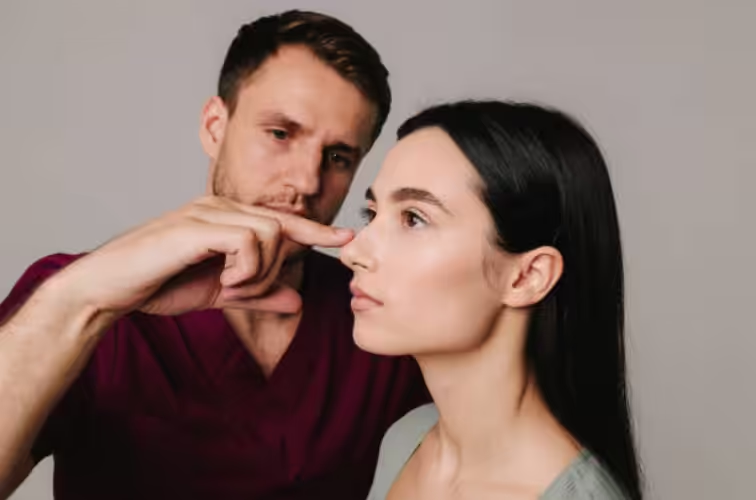
When you look in the mirror after rhinoplasty, noticing that one nostril looks larger, higher, or different from the other can cause serious concern for many patients. However, in most cases, this does not mean the surgery was unsuccessful. Because after rhinoplasty, the nose goes through a dynamic healing process that continues to change for weeks or even months. If you would like to have detailed information on this topic, you can explore our content. We wish you all healthy days and an enjoyable read.
Why Do Nostrils Look Different After Rhinoplasty?
Nostrils looking different after rhinoplasty is one of the most common situations patients encounter during the healing process, and it is almost always considered normal. The primary reason for this is that the post-operative edema (swelling) does not distribute equally on both sides. Especially in the first few weeks, one nostril may appear larger, rounder, or higher. In addition, the fact that soft tissues, cartilage structures, and surgically intervened areas inside the nose do not heal at the same rate on every side can also cause temporary asymmetry. Furthermore, natural facial and nasal asymmetries that the person had before the surgery may become more prominent post-operatively. The healing process can take longer, especially in more complex procedures such as crooked nose surgeries, septum deviation corrections, or revision rhinoplasties, and it may take months for the nostrils to fully settle.
In individuals with a thick skin structure, the difference in the appearance of the nostrils may be more pronounced because the edema lasts longer. However, the goal in rhinoplasty is not millimeter perfection, but to achieve a natural and aesthetically balanced result that is in harmony with the face. Therefore, while slight differences are generally considered normal, prominent asymmetries that do not resolve over a long period or breathing problems should definitely be evaluated by an expert surgeon.
Main Causes of Nostril Asymmetry After Rhinoplasty
Some individuals may experience nostril disproportion after rhinoplasty. There can be many reasons for this. To address these reasons in detail, they are as follows:
- Post-Operative Edema (Swelling): The swelling that occurs after rhinoplasty may not distribute evenly on both sides. This can cause one nostril to look larger or different from the other.
- Different Progression of Tissue Healing: Soft tissues, cartilage structures, and surgically treated areas inside the nose may not heal at the same speed on every side.
- Natural Facial and Nasal Asymmetry: The human face is not perfectly symmetrical. Minor asymmetries that existed before surgery can become more noticeable after the operation.
- Septum Deviation and Crooked Nose Structure: Since more extensive corrections are made in crooked nose or deviated septum surgeries, the healing process can be more complex.
- Revision Rhinoplasty Operations: The risk of temporary asymmetry is higher in revision rhinoplasties because the surgeon is working with previously operated tissues.
- Adaptation Process of Cartilage and Support Structures: Minor shape differences may occur as the grafts and support structures placed inside the nose adapt to their new positions over time.
- Thick Skin Structure: Since edema lasts longer in people with thick skin, it can take more time for the nostrils to fully settle.
- Internal Scar Tissue Formation: Scar tissue that develops during healing can create more stiffness or retraction in certain areas, leading to an asymmetrical appearance.
- Weakening of the Nasal Tip Support Mechanism: The fact that support structures at the nasal tip react differently during the healing process can create temporary changes in nostril shapes.
- Trauma or Pressure During the Healing Process: Sleeping on your side, taking a blow to the nose, or unintentional pressure can affect the healing process and increase asymmetrical appearance.
Conditions Caused by Nostril Asymmetry
There may be certain conditions caused by having different-sized nostrils. These situations vary from person to person and do not occur to the same degree in everyone. To outline these reasons:
- One nostril being narrower can affect airflow and cause breathing difficulties.
- A prominent difference in the nostrils can affect the overall aesthetic balance of the face, creating an asymmetrical appearance.
- Nostril asymmetry can sometimes be seen alongside curvature, retraction, or imbalance at the nasal tip.
- Cartilage curvature inside the nose can cause the nostrils to look different and disrupt airflow.
- Shape differences in the nostrils can occur following blows or fractures to the nose.
- Narrow air channels inside the nose can cause one nostril to appear smaller.
- In some people, the nostrils are naturally unequal due to genetic and anatomical structure.
- Temporary asymmetries can occur post-operatively due to edema, scar tissue, or tissue healing.
- Noticeable asymmetries, in particular, can lead to aesthetic anxiety and self-confidence issues in some patients.
- In some cases, prominent and permanent asymmetries may necessitate a secondary correction operation.
How Long Does It Take for the Nostrils to Fully Settle?
Although it varies from person to person, it generally takes between 6 to 12 months for the nostrils to fully settle after rhinoplasty. Since intense edema occurs especially in the first weeks after the surgery, the nostrils may appear different, asymmetrical, or misshapen. Although a large portion of the swelling subsides within the first few months, it takes much longer for the soft tissues, cartilage structures, and inner tissues at the nasal tip to completely heal. The nasal tip region, in particular, is one of the last areas to settle in rhinoplasty. In individuals with a thick skin structure, edema lasts longer, so it may take more than a year for the nostrils to take their final shape. In addition, the healing process can progress more slowly in complex operations such as crooked nose surgeries, septum deviation corrections, and revision rhinoplasties. For this reason, being patient after rhinoplasty is extremely important because the true form of the nose and the final appearance of the nostrils most often emerge gradually over months.
What Should Be Considered to Reduce the Risk of Nostril Asymmetry?
- Using the Nasal Tapes Provided by the Doctor Regularly
Nasal tapes can support the healing process by helping the edema reduce in a controlled manner. - Avoiding Sleeping Face Down in the First Weeks
Applying pressure to the nose can increase swelling and cause uneven healing. - Protecting the Nose from Blows
Especially in the first months, even minor traumas can affect the shape of the nose. - Not Skipping Doctor Check-ups
Through regular check-ups, the healing process is monitored, and potential problems can be noticed early. - Staying Away from Smoking and Tobacco Products
Smoking slows down tissue healing, causing edema to last longer and negatively affecting wound healing. - Avoiding Excessive Salt Consumption
Excessive salt consumption causes an increase in edema in the body, leading to prolonged swelling. - Avoiding Movements That Strain the Inside of the Nose
Actions such as blowing the nose hard, picking the nose, or applying pressure can damage healing tissues. - Sleeping with the Head Elevated
Keeping the head elevated during the first few weeks can help the edema subside more quickly. - Following the Cleaning and Care Routine Recommended by the Doctor
Proper internal nasal care can reduce the risk of infection and scar tissue. - Being Patient and Waiting for the Nose to Settle
It can take months for the nose to take its full shape after rhinoplasty. Minor asymmetries seen in the early period are often temporary.
If you have observed differences in your nostrils after rhinoplasty, you can contact the expert team at Faceaesthetics, specialists in revision rhinoplasty in Turkey.
Frequently Asked Questions
Yes. It is very common for nostrils to appear uneven during the first few months after rhinoplasty. This is usually caused by swelling, tissue healing, and the nose not being fully settled yet.
Mild asymmetries generally improve significantly within 3–6 months. However, it may take up to 1 year for the nose to reach its final shape.
Yes. Due to one-sided swelling or differences in internal tissue healing, one nostril may temporarily appear larger than the other. In most cases, this is temporary.
No. Since the nose is significantly swollen during the early healing period, perfect symmetry should not be expected right after surgery. The final result develops gradually over time.
In some cases, yes. Mild permanent asymmetry may occur, especially in patients with severe nasal deviation, previous trauma, or revision rhinoplasty procedures. However, for most patients, the difference is minimal.
Swelling can fluctuate throughout the day. Sleeping position, salt intake, facial expressions, and the healing process itself may make asymmetry appear more noticeable at times.
No human face is perfectly symmetrical. The goal of rhinoplasty is not absolute mathematical perfection, but rather achieving a natural and balanced appearance that suits the patient’s facial features.
Yes. Since revision rhinoplasty involves previously operated tissues, the healing process can be more complex, increasing the likelihood of temporary asymmetry.
Yes. Patients with thick skin tend to experience prolonged swelling, meaning it may take longer for the nose and nostrils to fully settle into their final shape.